Report on the 12th Y-ECCO Science Workshop
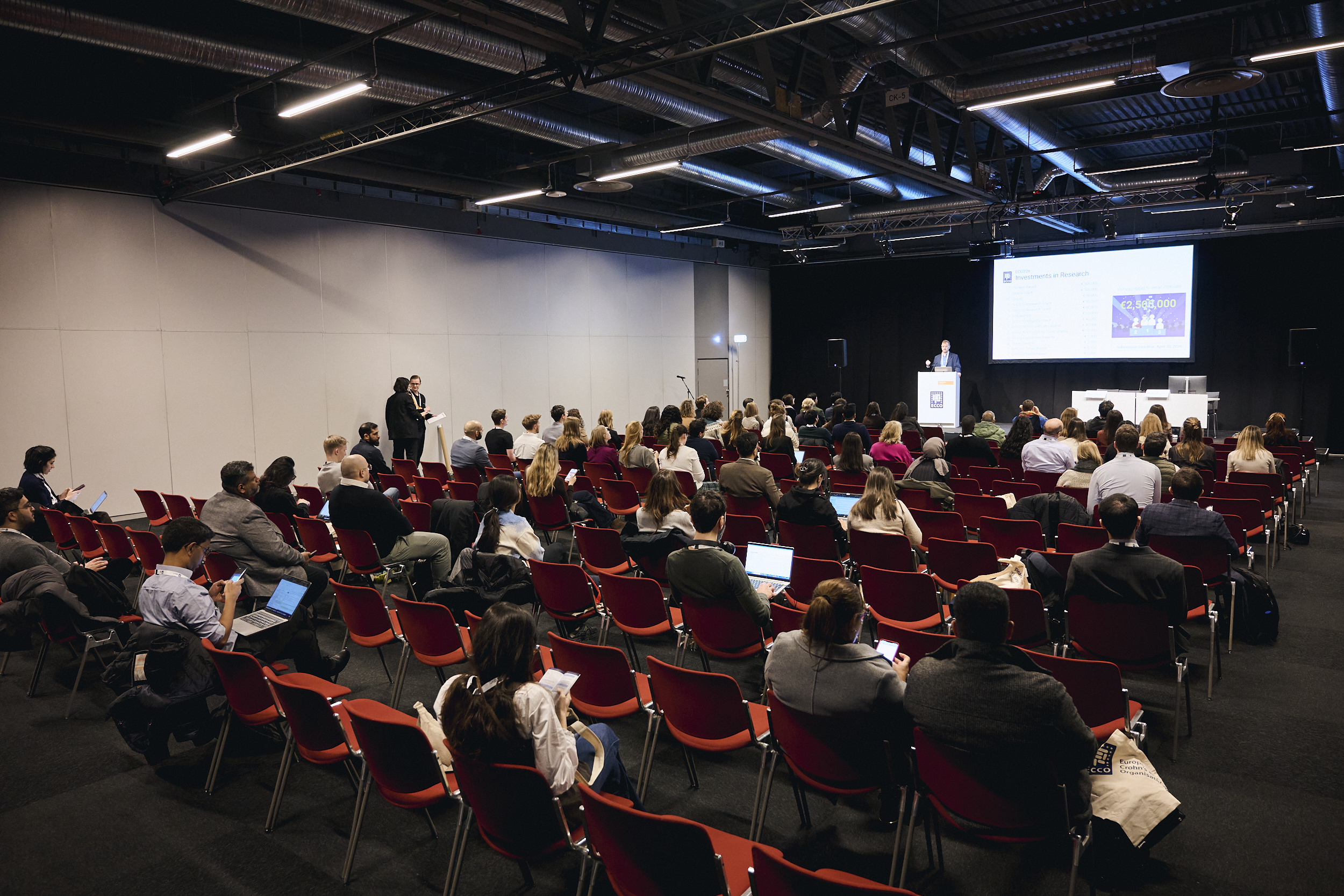
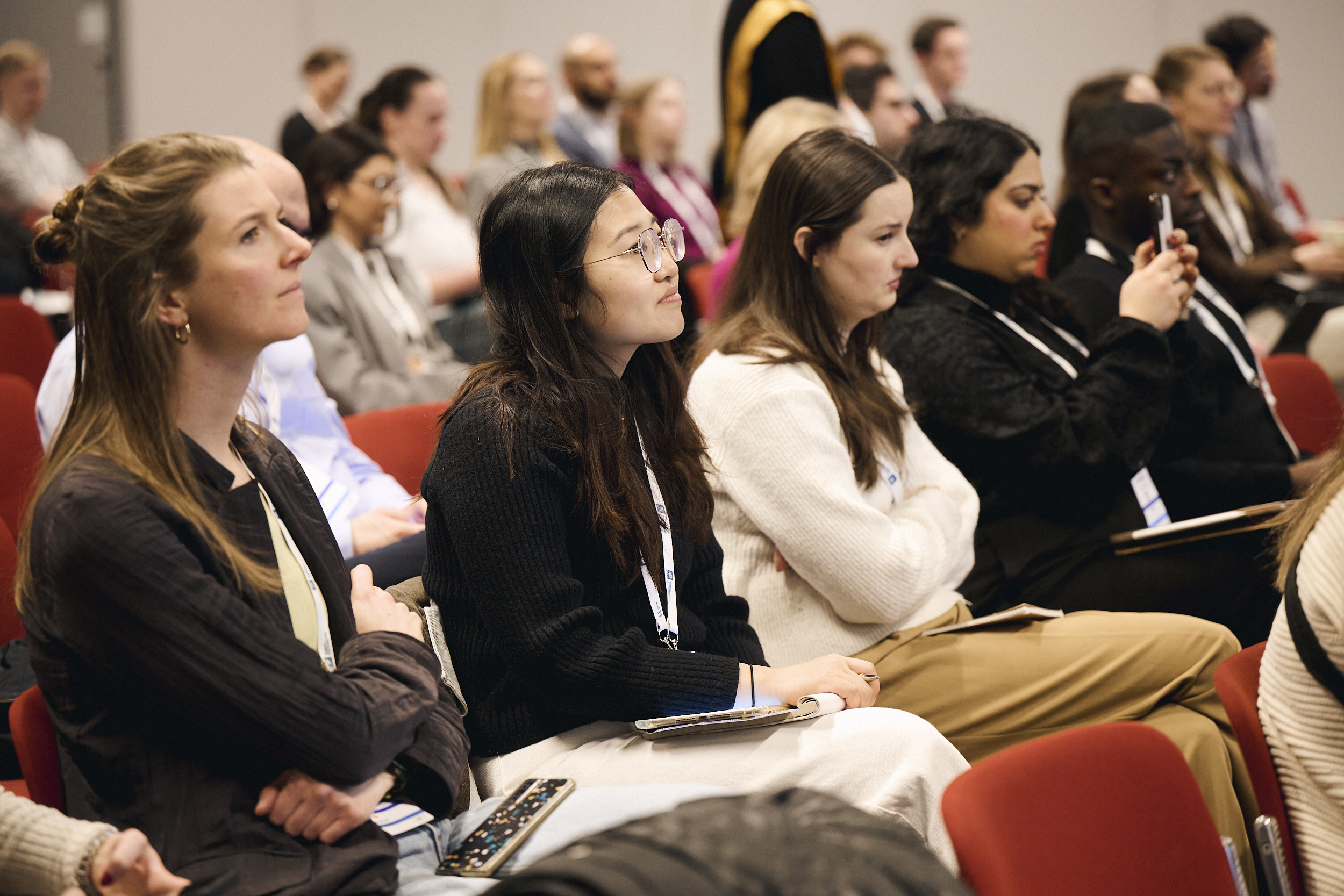
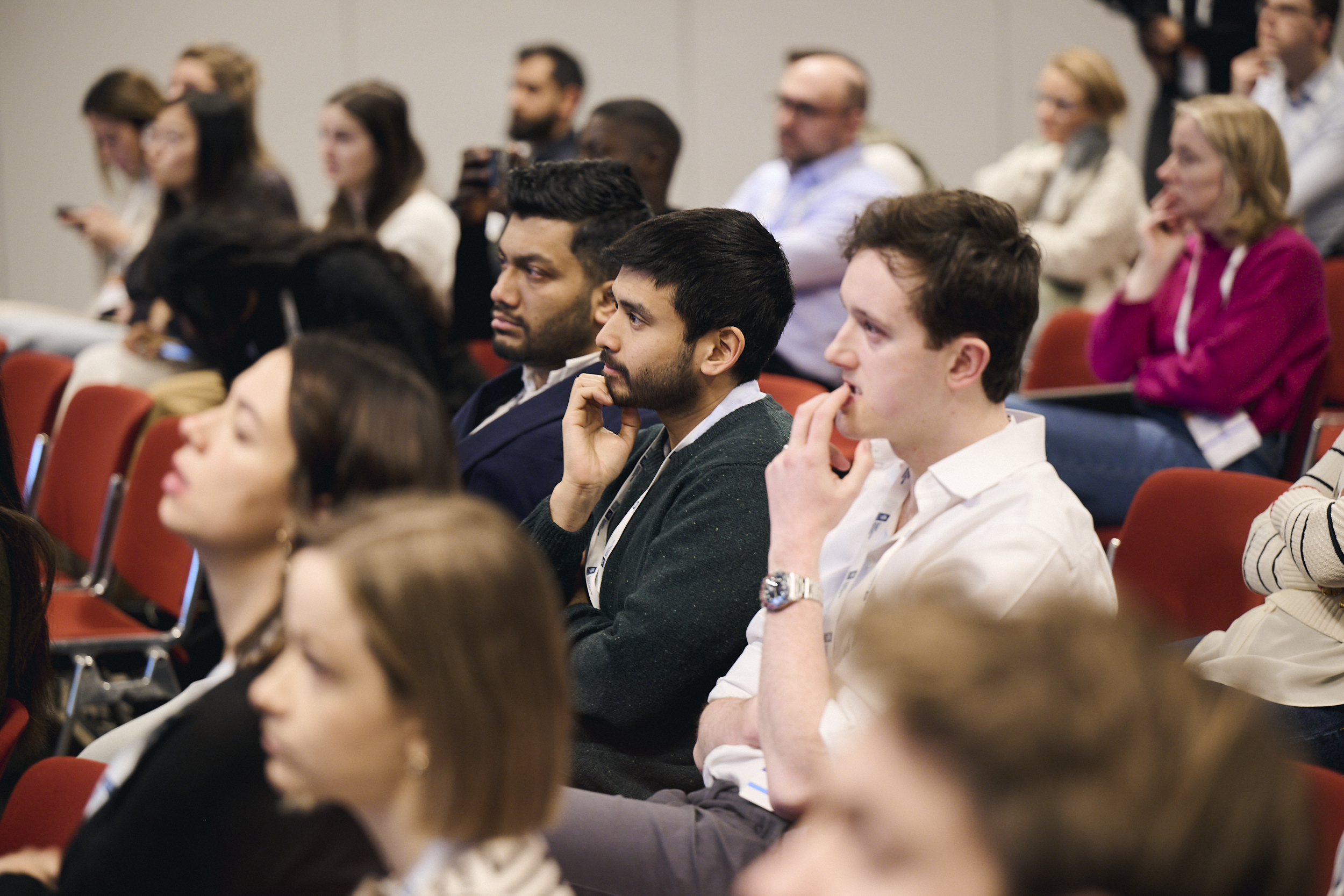
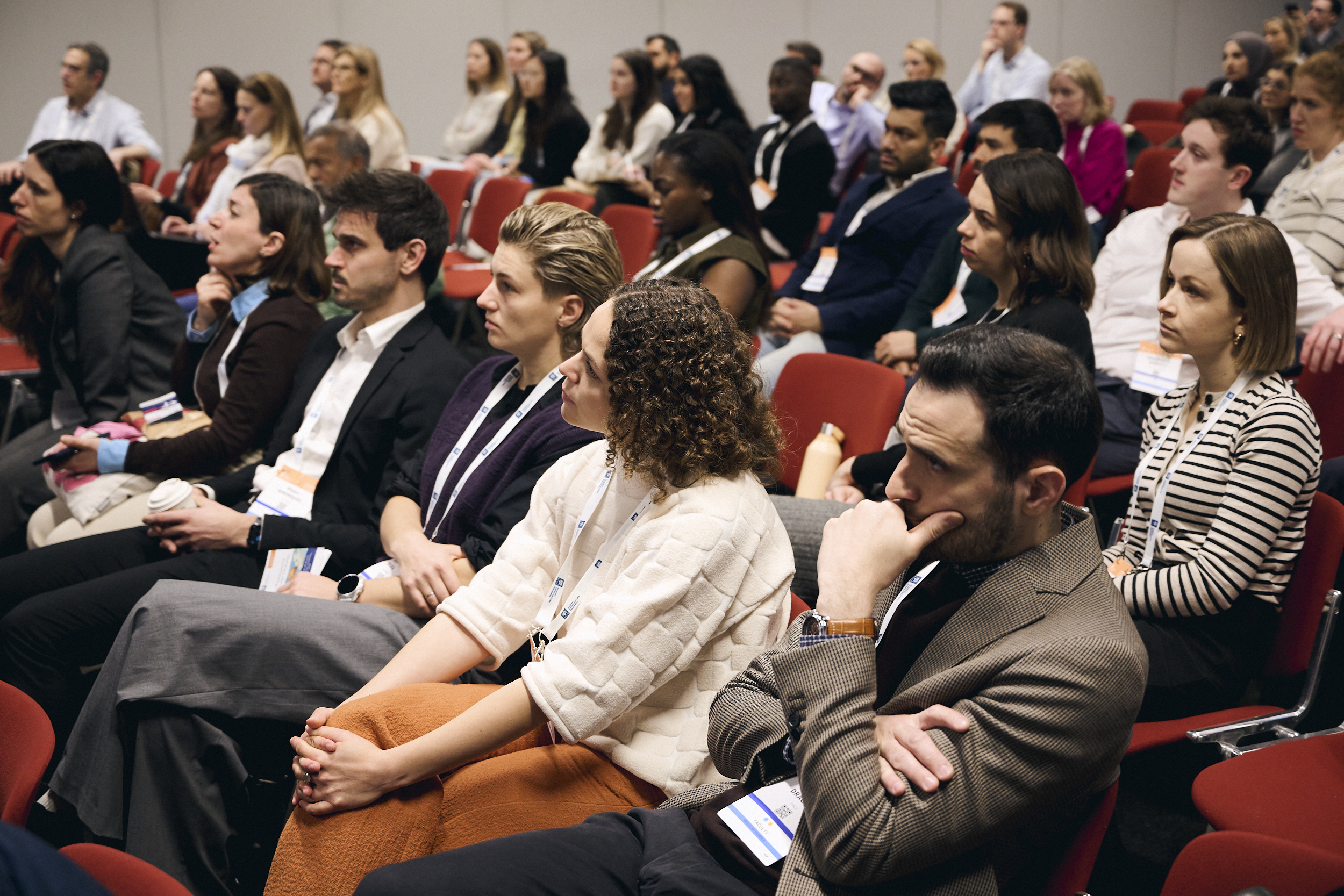
Now that the inbox calm has (mostly) returned post ECCO, it is time to look back at the 12th Y-ECCO Science Workshop, held on February 18, 2026, just ahead of the main ECCO Congress in Stockholm. The workshop once again proved why it is a fixed highlight of the meeting: generous presentation times, fearless discussions and science that is anything but ‘junior’. Early-career researchers shared the stage with senior experts, creating an open and stimulating atmosphere that encouraged depth, nuance and curiosity.
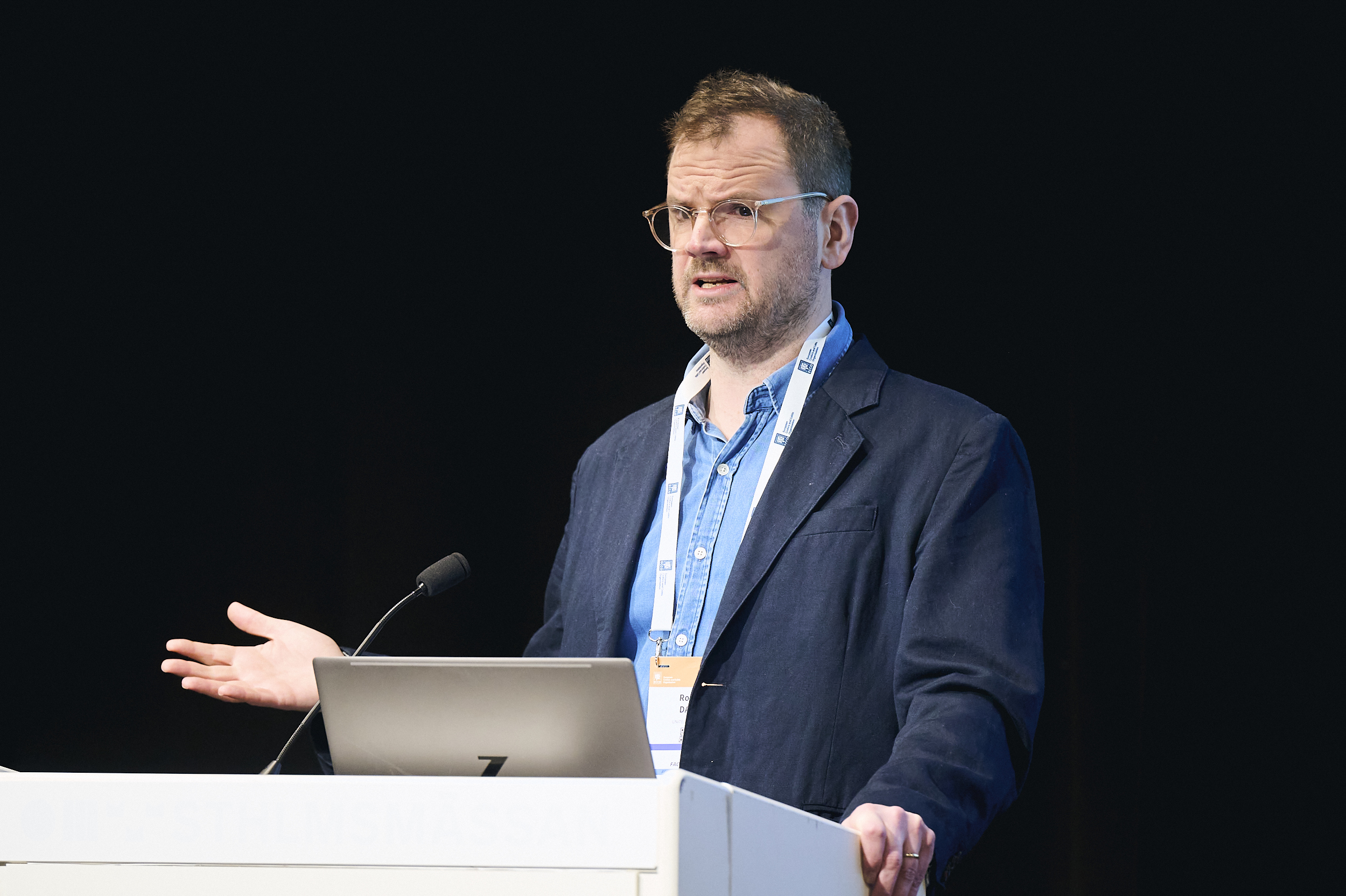
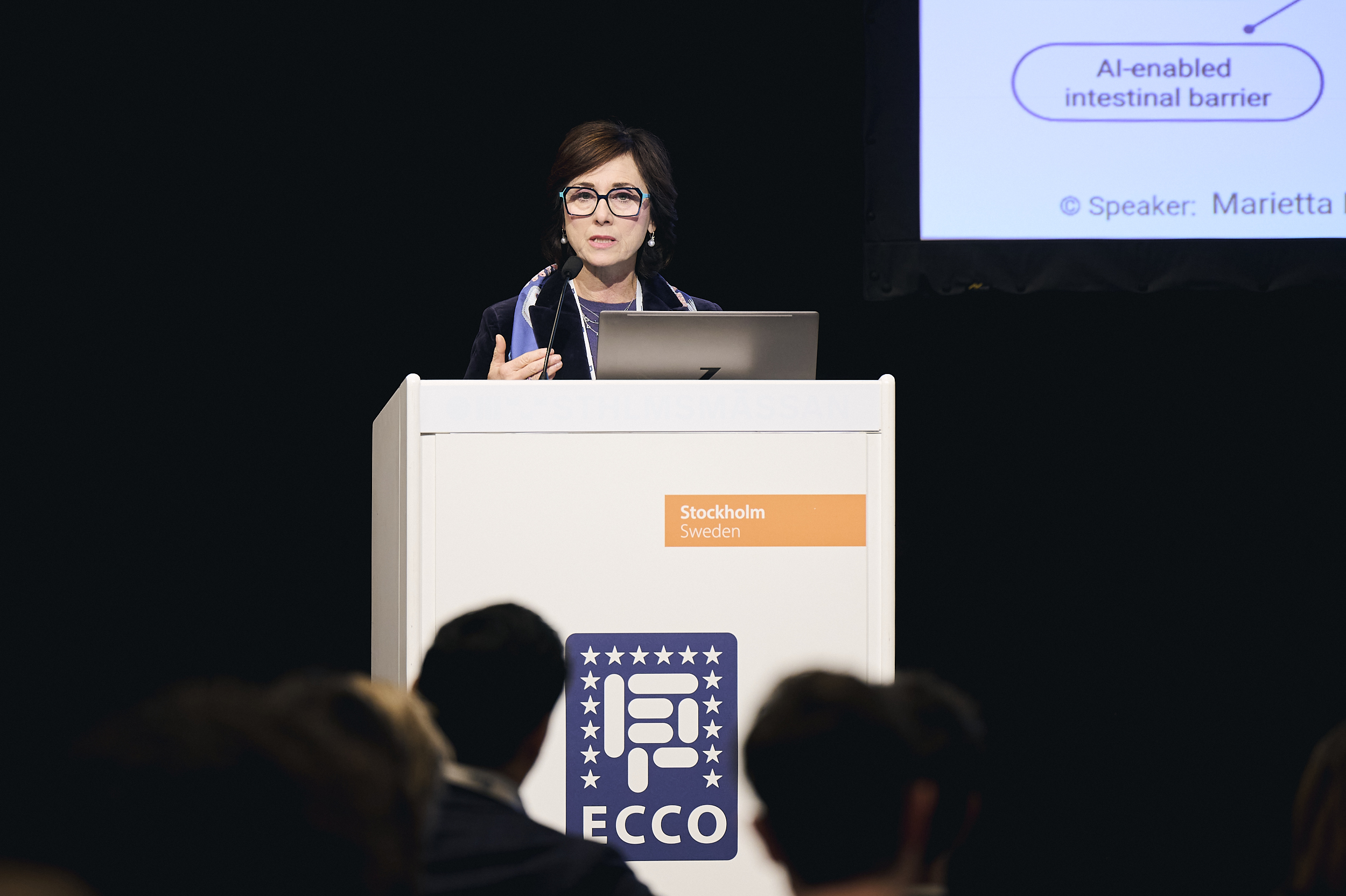
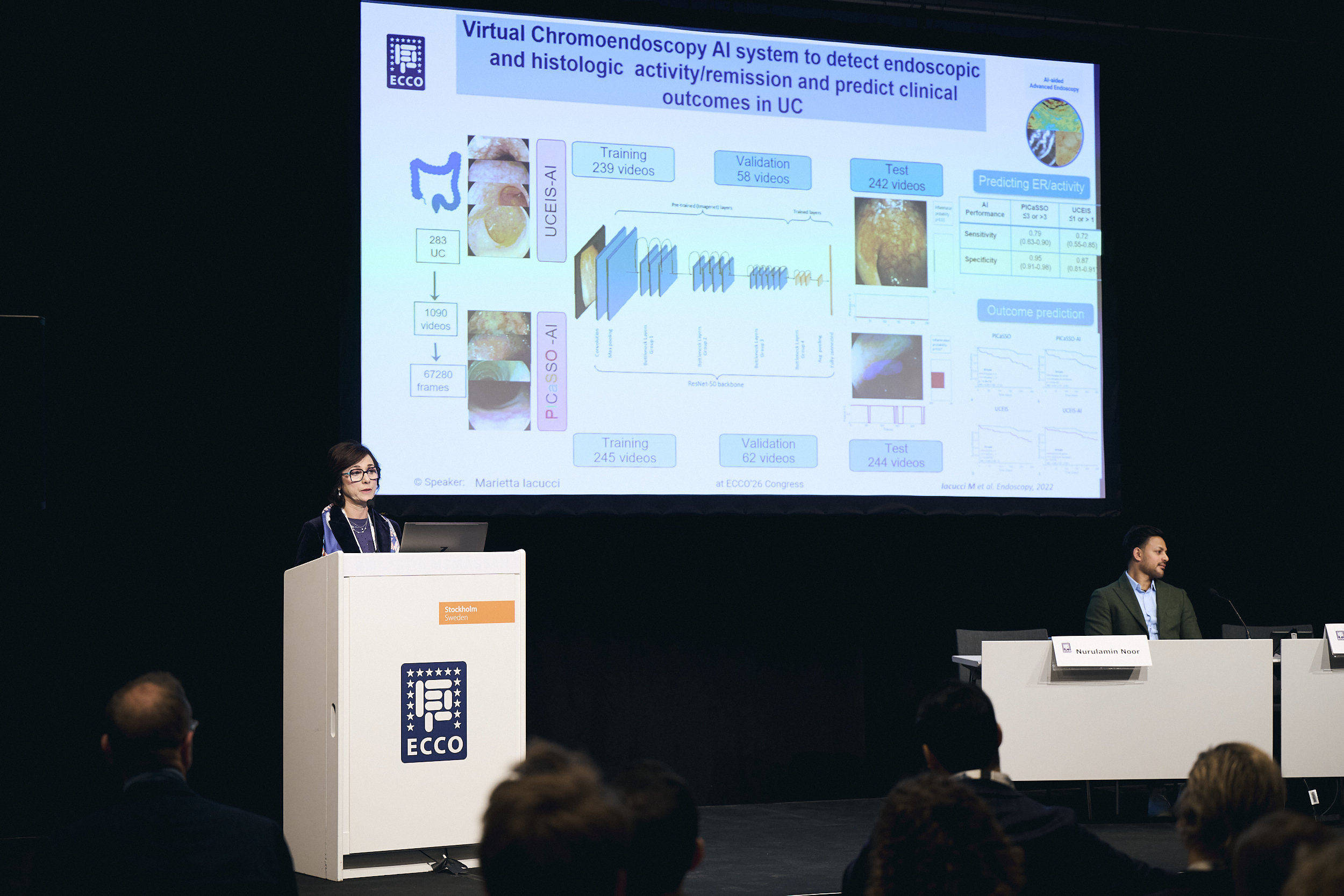
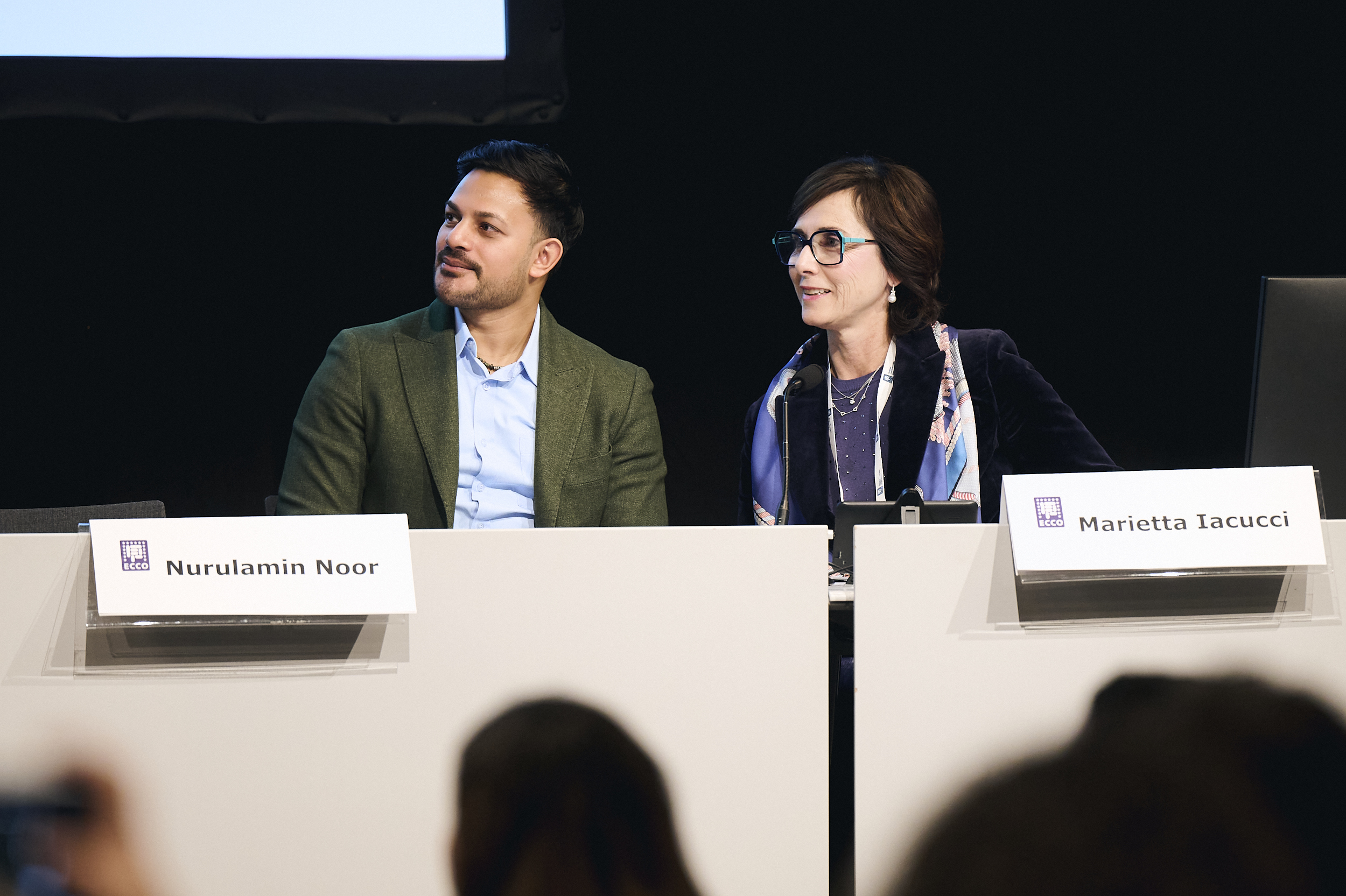
Despite subzero temperatures, we received a warm welcome from outgoing Y-ECCO Chair, Robin Dart (UK), who encouraged attendees to contribute literature short reports to JCC Plus and to consider applying for ECCO Young Researcher funding. The first session, chaired by Nurulamin Noor (UK) and Marietta Iacucci (Ireland), opened with a lecture on artificial intelligence (AI) in IBD. As an expert in both AI and advanced imaging, she illustrated how AI can support the pursuit of deeper remission in IBD by integrating endoscopic and histological data, thereby avoiding reliance on single-modality assessments. A multimodal AI approach was shown to capture disease granularity in Ulcerative Colitis and spatial disease patterns in Crohn’s Disease, while also making complex advanced imaging more accessible to less experienced endoscopists. Particular emphasis was placed on the intestinal barrier as a future target in IBD care, with AI-assisted high-resolution imaging linking epithelial barrier impairment to molecular markers (particularly occludin and claudin-2 expression) and disease flares. Looking ahead, the integration of endoscopy, histology and potentially omics data was presented as a promising direction, with additional potential in dysplasia assessment that will require further learning and validation.
In the first presentation, Anouschka Ramsteijn (UK) educated us on epigenetic clocks and the relationship with chronological age. She showed her data, leveraging the STORI and SPARE cohort to evaluate whether patients in remission can reverse their epigenetic clock. However, epigenetic age acceleration did not differ between patients who relapsed and those who remained in remission on follow-up. Interestingly, Anouschka showed that 15%–20% patients had age acceleration of >5 years even in long-term remission, which remains a bit of mystery that needs to be resolved.
Asma Amamou (Ireland) then presented her data on Ikaros family transcription factors, which are known to regulate lymphocyte differentiation. She investigated whether these transcription factors shape monocyte function and determine response to advanced therapies. Using peripheral blood cell macrophages from IBD patients initiating or switching advanced therapies and healthy controls, Asma found that monocyte subset distribution, Ikaros and Helios dynamics differ depending on response to therapy. While explaining the use of advanced techniques, including imaging mass cytometry, to appreciate the spatial context of the cells and described the results of knock down experiments targeting Ikaros and Helios. Asma concluded that, these transcription factors are promising biomarkers and potential targets to improve treatment response in IBD. In the subsequent discussion, Asma displayed her collaborative spirit in highlighting that, as a scientist, the collaboration between lab and physicians is crucial.
Closing the first session, Ine De Greef (Belgium) delivered a compelling talk on the need to better understand creeping fat in Crohn’s Disease, highlighting how this unique feature could be harnessed to improve treatment strategies. She clearly explained the advantages of single-nuclei sequencing and why it is preferable to single-cell approaches in specific contexts, such as the study of cells with irregular borders, e.g. adipocytes. She reminded us how painful the road to optimisation of protocols from scratch can be and the reward of a working assay that leads to new scientific discoveries. Her data revealed a detailed UMAP of the Crohn’s Disease mesentery, showing a shift of macrophages toward a more inflammatory phenotype and the presence of distinct adipocyte subsets defined by pathway and gene expression analyses, including upregulation of antigen presentation machinery. Altogether, although preliminary, the work captured the cellular landscape of Crohn’s Disease mesentery at single-nuclei resolution, providing early evidence of active creeping fat remodelling with M1 macrophage expansion, loss of M2 subtypes and dynamic changes across adipocyte populations.
After this first session, we were all ready for a coffee break that allowed us to enjoy 1:1 conversations with speakers and current and future friends.
The second session, entitled ‘Intercompartment interactions’, was chaired by Petra Bacher and Florian Tran (both from Germany). Petra gave an opening lecture on the role of fungus-specific T cells in IBD. She focused on antigen-reactive T cell enrichment to identify specific CD4⁺ T cell responses in CD, revealing markedly increased reactivity against fungi. Yeast-reactive T cells were found in inflamed intestinal tissue, particularly in ASCA-positive patients, who showed strong responses to Saccharomyces cerevisiae and several Candida species, suggesting a role for yeast as a driver of pathogenic immunity. Chronic exposure to conserved fungal antigens appears to expand cross-reactive T cells, with food-derived fungi capable of reactivating these cells detectable in stool and even dietary sources such as cheese. Notably, a shared oral–gut CD4⁺ T cell repertoire enriched for Candida albicans-reactive Th17 cells was described, raising questions about bidirectional trafficking between oral and intestinal sites. Overall, the findings point to increased infiltration of pathogenic Th17 cells in CD, driven by de novo priming and/or by repeated exposure to conserved fungal antigens. Surely, we will never look at Gorgonzola in the same way again!
The following presentation was delivered by Julian Schwärzler (Austria), whose data literally broke down the presentation! Staying cool while encountering technological failure, he explained how intestinal epithelial glutathione peroxidase 4 (GPX4) expression can be a druggable target in CD after ileocolonic resection. Julian demonstrated both that anti-oxidative responses are downregulated in this context, with GPX4 acting as a central hub protein, and that mucosal GPX4 expression predicts postoperative recurrence independently of clinical factors, this finding being validated across three independent cohorts. Using confocal microscopy, GPX4 fluorescence intensity correlated with enzymatic activity, strengthening its biological relevance. Integrated mouse studies further showed that GPX4 deficiency drives spontaneous CD-like colitis, while dietary selenium could only ameliorate inflammation when GPX4 was functionally present.
Anouck Haanappel (The Netherlands) then presented her data derived using flow cytometry to determine the macrophage profile in mesenteric specimens collected from 26 CD and UC patients undergoing surgical resection. She found that patients who developed pouch-related complications (pouchitis, CD in the pouch or other dysfunction) showed a significantly reduced ratio of regulatory (CD206+) to pro-inflammatory (CD206-) macrophages compared to patients without complications. In addition, mesenteric calprotectin expression was assessed as a proxy for a pro-inflammatory macrophage phenotype, and a correlation was observed between calprotectin levels and the M1/M2 ratio. By identifying calprotectin as a promising biomarker for pro-inflammatory macrophage activity in the mesorectum, Anouck has paved the way towards its potential use for perioperative risk stratification.
The final speaker of session 2, Mees Van Der Hoff (also from the Netherlands), linked altered tryptophan metabolism to fatigue in CD in remission. He found that severe fatigue in CD, and particularly in quiescent disease, is associated with a shift in tryptophan metabolism towards reduced kynurenine pathway metabolite levels and increased serotonin levels, which was not observed in UC. These findings could be important in developing biomarkers for fatigue in CD.
This last talk provided the perfect introduction to the final session of the workshop, which was entitled ‘Fatigue’ and was co-chaired by Debby Laukens (Belgium) and Virginia Solitano (Italy). Debby Laukens delivered an opening lecture highlighting the complexity of fatigue in IBD, emphasising its high prevalence even when patients are in remission (around 47%) and its major impact on quality of life, which often exceeds that of gastrointestinal symptoms. She noted that fatigue is not consistently linked to disease severity or anaemia and stressed the need for biomarkers as researchers rely largely on patient self-assessment. Experimental data from a chronic dextran sulphate sodium (DSS) colitis model showed neuroinflammation with microglial activation in the choroid plexus even in the absence of overt colitis, suggesting a central nervous system component. These findings provide proof of concept for microglial involvement in IBD-associated fatigue and raise the possibility that the microbiota may contribute to fatigue, a question being further explored through an ECCO Pioneer Grant.
The session continued with presentations from two ECCO Grant winners from 2025. Carmela Errico (Italy) presented work on gut virome dysbiosis, showing that Caudovirales are expanded in IBD and may contribute to disease pathophysiology through molecular mimicry. Her data suggested that Proteus virus Isfahan can trigger immune cross-reactivity, leading to a shift from immune homeostasis toward a pro-inflammatory phenotype in dendritic cells as well as CD4⁺ and CD8⁺ T cells. These findings position the gut virome as an active immunological driver in Crohn’s Disease and open new avenues for mechanistic and translational follow-up studies.
In the second talk, Sophie Van Welden (Belgium) focused on hypoxia-induced signalling as a driver of intestinal fibrosis. Using fibroblast-specific Phd1 and Phd2 knockout mice in a chronic DSS model, she showed that while inflammation persisted, loss of Phd2 led to increased fibroblast numbers, enhanced TGF-β signalling, excessive extracellular matrix production and thickening of the outer muscle layer. Importantly, pharmacological inhibition of HIF-2 in knock-out mice reduced collagen deposition, supporting hypoxia signalling as a promising therapeutic target in fibrotic complications of IBD. While validation experiments are still required, the data provide a strong rationale for targeting hypoxia pathways in intestinal fibrosis.
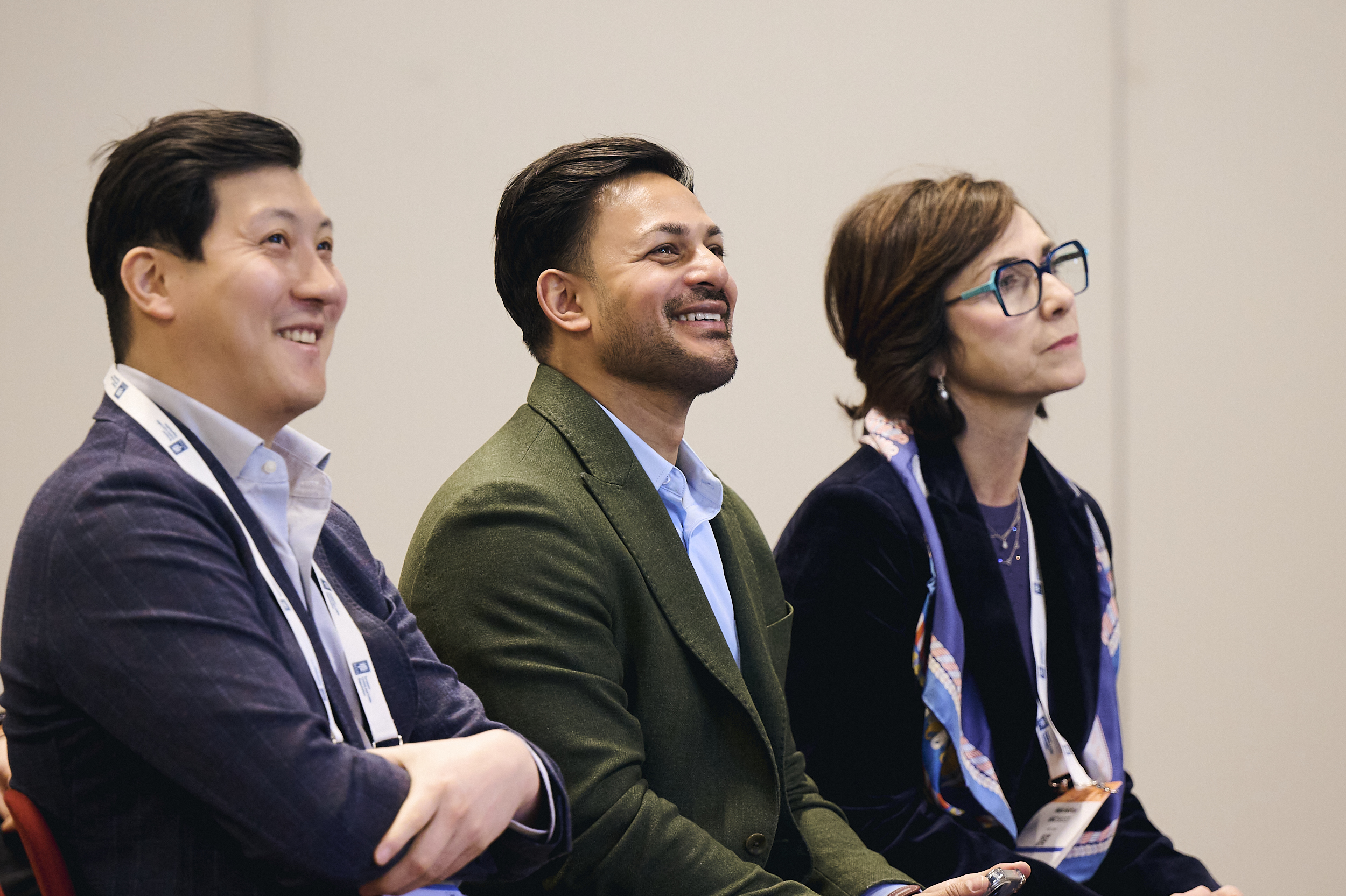
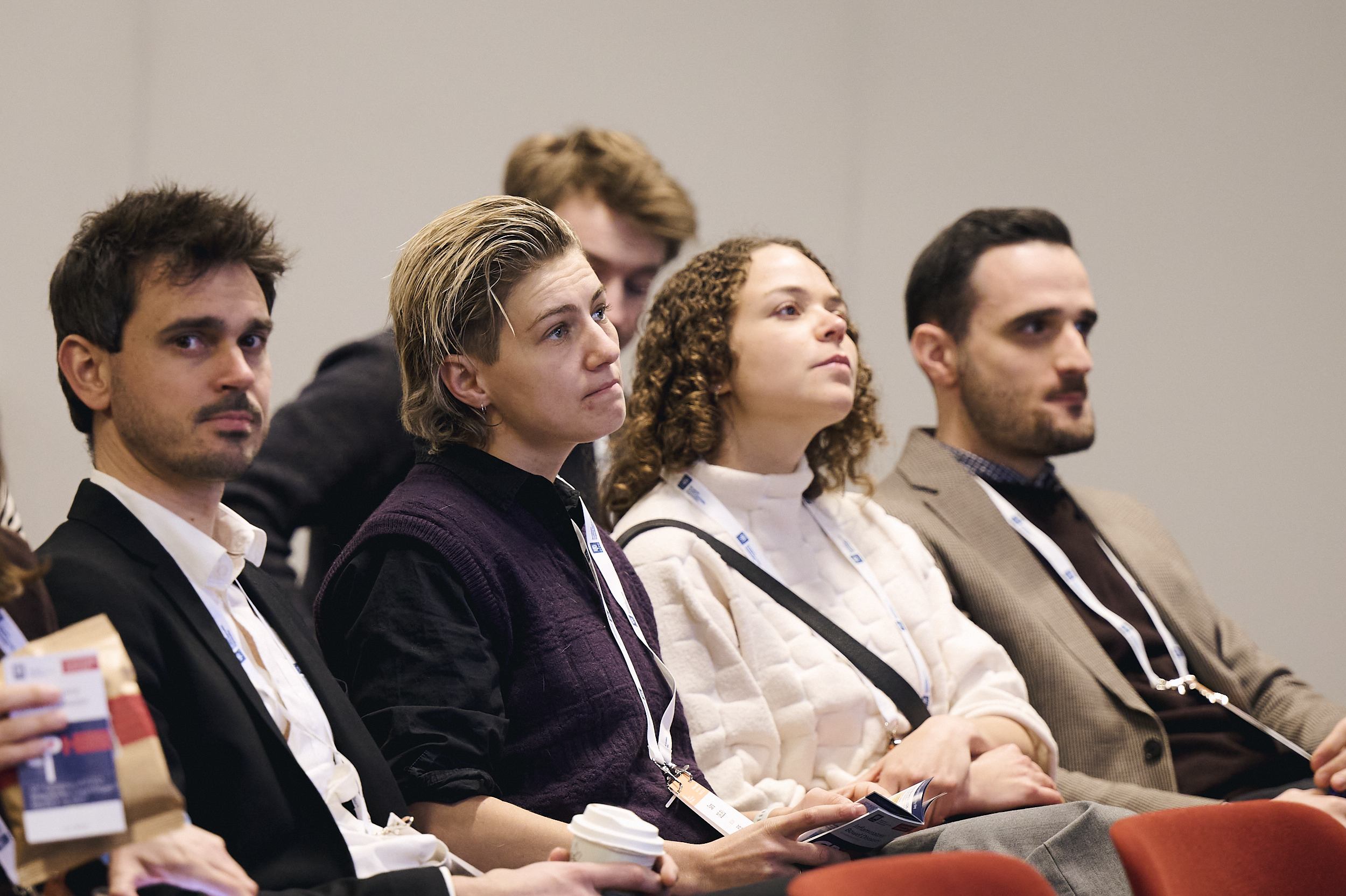
The workshop closed with Robin Dart and incoming chair Nurulamin Noor, who declared this “the best Y-ECCO workshop yet”—once again…. However, judging by the science, the atmosphere and the coffee-fuelled conversations, few out of the 98 attendees would have disagreed. We suspect we will see many familiar faces again at the 13th edition—questions, enthusiasm and coffee cups in hand. So, mark your calendars for Copenhagen on March 3, 2027.