
ECCO News
Committee News
28 October 2026
Interview with Uri Kopylov, new e-Learning Editor-in-Chief
Edouard Louis, ECCO News Editor-in-Chief
In this issue of ECCO News we are very happy to present an interview with Uri Kopylov, the new e-Learning Editor-in-Chief of ECCO. Uri has a long track record in ECCO, having been a member of both ClinCom and EduCom, the latter of which he chaired until 2025. He has been involved in IBD care and research for more than 15 years. He undertook his IBD fellowship at McGill University, Montreal, Canada and is currently clinical professor at Tel Aviv University and director of the IBD unit and the gastroenterology innovation lab at Sheba Medical Center.

Giorgos Bamias, SciCom Member
The introduction of a new award category, the ECCO Global Grant, at the 19th Congress of ECCO in 2024, represented an exciting step forward in addressing knowledge gaps and unmet needs relevant to low and lower-middle income countries (LMICs). The intention was to promote research partnerships between institutions in ECCO Member Countries and institutions in LMICs in order to strengthen the global network of ECCO while delivering top class international research.
28 October 2026
Best epidemiological abstracts at ECCO’26


Brigida Barberio and Olga Nardone, ResCom Members
Epidemiology was once again strongly represented at the 21st Congress of ECCO in Stockholm, with 142 abstracts selected for presentation in this category (see graph). This sustained interest confirms the central role that ECCO Members and IBD researchers attribute to epidemiological research in advancing our understanding of IBD aetiology, natural history and outcomes. In this article, we spotlight two contributions that deserve particular attention: the winner of the Y-ECCO Best Abstract Award and the final report of an epidemiology project supported by an ECCO Research Grant.

Manuel Barreiro-de Acosta, EduCom Chair
The ECCO Postgraduate Course in IBD will take place on Wednesday, March 3 and Thursday, March 4, 2027, immediately ahead of the ECCO Congress in Copenhagen. Building on the success of previous editions, in 2027 the course will undergo its most significant evolution yet, reflecting EduCom's ongoing commitment to the educational needs of the IBD Community.
28 October 2026
8th ECCO Basic Imaging Workshop

Ferdinando D'Amico, EduCom Member
The 8th ECCO Basic Imaging Workshop, organised in collaboration with ESGAR and IBUS, will take place on Wednesday, March 3, 2027, immediately ahead of the ECCO Congress in Copenhagen. This edition introduces an enhanced practical format designed to provide participants with a solid and clinically relevant foundation in intestinal ultrasound (IUS) and magnetic resonance imaging (MRI) for the assessment and monitoring of patients with Inflammatory Bowel Disease.
28 October 2026
Report on the 79th ECCO Educational Workshop in Armenia
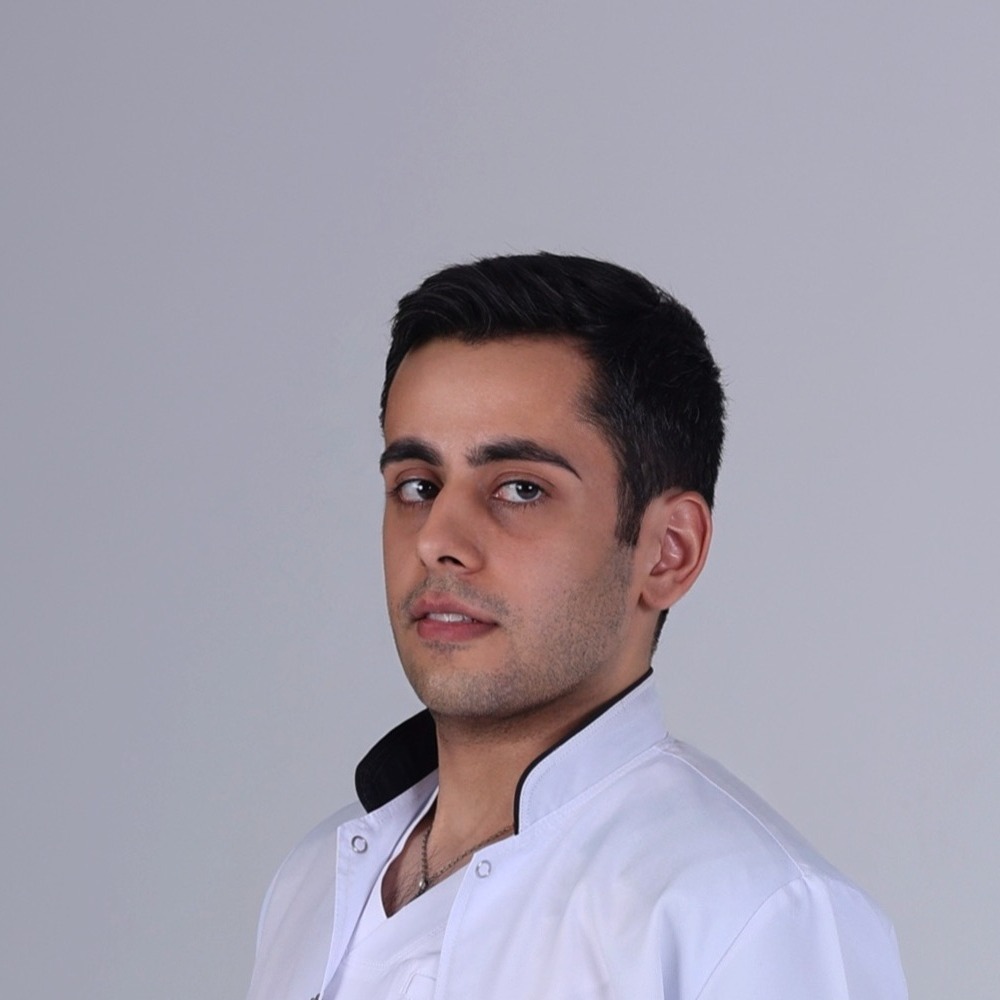
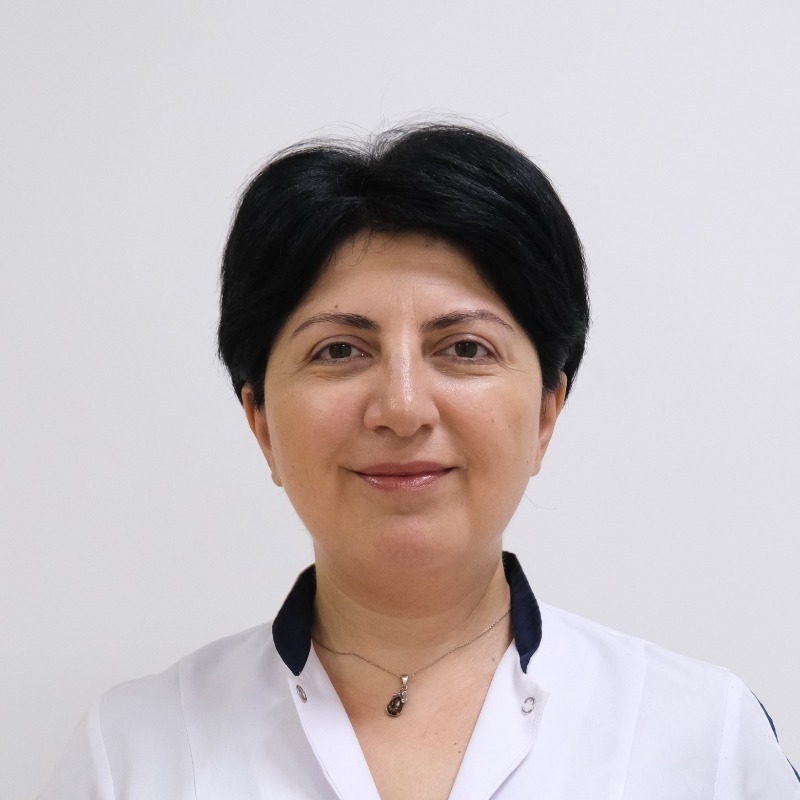
Edmond Baghdasaryan, National Representative Armenia, Manik Gemilyan, National Representative Armenia
The 79th ECCO Educational Workshop in Armenia was held on May 2, 2026, in an online format via Zoom. The event brought together more than 60 participants and provided an excellent opportunity for the Armenian IBD Community to discuss some of the most challenging aspects of the diagnosis and management of Inflammatory Bowel Disease (IBD). The workshop was organised with the participation of ECCO Faculty members Manuel Barreiro-de Acosta and Glen Doherty, together with local senior experts Manik Gemilyan and Gagik Hakobyan.
28 October 2026
Report on the 80th ECCO Educational Workshop in Pula
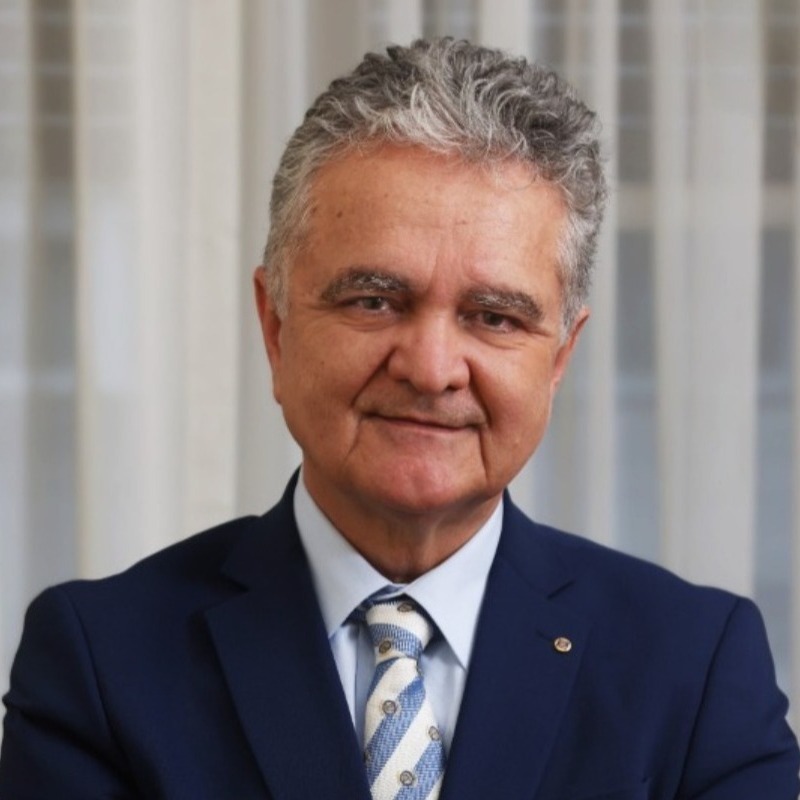
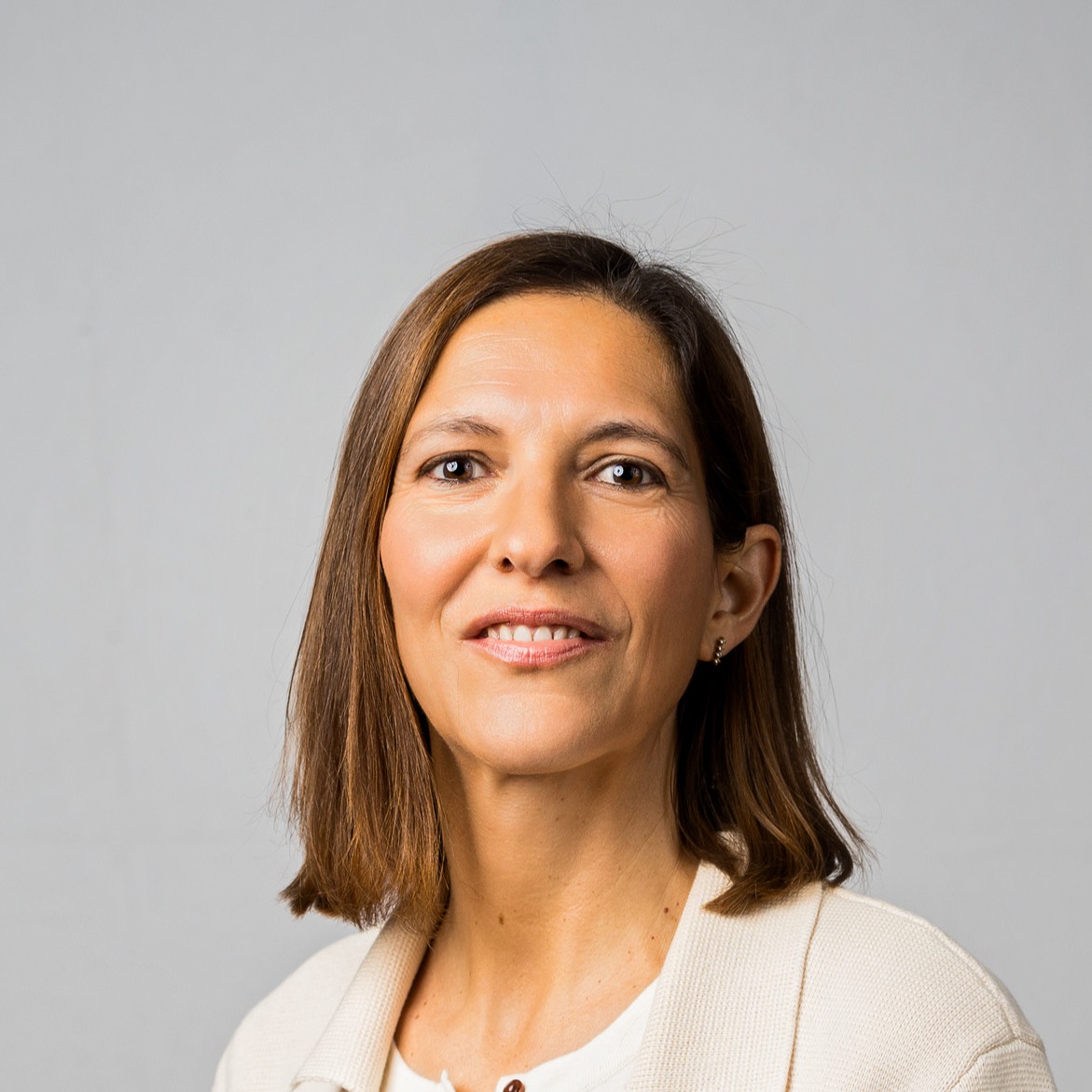
Željko Krznarić, National Representative, Triana Lobatón, EduCom Member
The 80th ECCO Educational Workshop took place on June 26, 2026 at the Park Plaza Histria Hotel in Pula, Croatia, as part of the 3rd Croatian IBD Congress organised by the Croatian IBD Society of the Croatian Medical Association. The workshop was organised by ECCO in collaboration with Željko Krznarić, Marko Brinar and their local team, with the support of Sophie Restellini and Triana Lobatón, members of the ECCO Education Committee (EduCom), who joined the workshop as representatives of ECCO.

Goda Sadauskaitė, ECCO Member
The 81st ECCO Educational Workshop took place in Vilnius, Lithuania, on September 25, 2026, bringing together IBD specialists and trainees for a full day of interactive discussion around challenging real-life clinical scenarios. Held at the Artis Hotel in central Vilnius, the workshop provided an opportunity to explore how ECCO e-Guide algorithms can be applied to complex decisions encountered in everyday IBD practice.
28 October 2026
Report on the Fast Facts in IBD Webinar - 2nd Edition

Gareth Parkes, EduCom Member
Want to catch up on the latest in IBD but simply don’t have the time? Wish you could listen to world experts distil years of knowledge and wisdom into a 10 min bolus of what is new and important in their field? Well, Fast Facts in IBD is for you!
28 October 2026
ECCO Topical Review on IBD in the ageing population
Pierre Ellul, GuiCom Member
The ECCO Topical Review on IBD in the ageing population provides guidance on the increasingly recognised challenges of caring for older patients. The review begins by defining 'older adults' and distinguishing between those ageing with longstanding paediatric- or adult-onset disease and those presenting with true elderly-onset IBD.

Simona Radice, N-ECCO Committee Chair
For nurses working in inflammatory bowel disease (IBD), professional development often extends far beyond the walls of our own hospitals or clinics. N-ECCO offers an opportunity to connect with an international community of nurses who share the same goal: improving the quality of care for people living with IBD. Through education, research, networking, collaboration and the exchange of best practice, N-ECCO provides a platform where nurses can learn from one another while helping to shape the future of IBD nursing.

Matteo Martinato, N-ECCO Committee Member
Over the years, the N-ECCO Committee has continued to develop educational formats aiming at responding to the changing needs of the IBD nursing community. From the N-ECCO School, through the structured IBD Nurse Education Programme, this evolution has now taken another important step with the ECCO Nurse IBD Curriculum Train the Trainer (ToT) Programme.
28 October 2026
The evolving role of the IBD dietitian

Alice Day, D-ECCO Committee Member
Therapeutic diets are not new to medicine. Records from St Bartholomew's Hospital in London show hospital "milk diets" and "broth diets" being prescribed centuries before dietetics existed as a formal profession [1]. Yet diet therapy for Inflammatory Bowel Disease (IBD) has been slow to follow. 1946 marked the first reported attempt to treat Ulcerative Colitis through diet (raw pork enemas), but it was not until the 1970s that exclusive enteral nutrition (EEN) emerged as an effective induction therapy for Crohn's Disease.

Peter Kienle, S-ECCO Committee Chair
Every committee profits tremendously from new members who bring innovative ideas and new vigour to the group. There are always numerous highly qualified professionals suitable for this task, and it is difficult to select only one of the applicants. On this occasion we are honoured to welcome Mr Phil Tozer to S-ECCO. Phil is a highly acclaimed IBD surgeon who focuses especially on Crohn’s fistula, which is obviously still one of the most challenging areas of IBD surgery.
28 October 2026
Growth in paediatric IBD: more than just centimetres

Iva Hojsak, P-ECCO Committee Member
Growth impairment remains one of the most distinctive and clinically significant complications of paediatric Inflammatory Bowel Disease (IBD). Unlike many other disease outcomes, impaired growth can have consequences that cannot be fully reversed once the window for linear growth has closed. Importantly, growth failure is not simply a reflection of inadequate nutrition: it is an integrated marker of inflammatory burden, nutritional status, treatment exposure and disease control.
28 October 2026
Ulcerative Colitis: only a mucosal disease?

Gert De Hertogh
Ulcerative Colitis has traditionally been regarded as a mucosal inflammatory disorder with at most superficial submucosal ulceration and no tendency to fibrosis, in contrast to Crohn’s Disease. Yet in very early histological descriptions of UC resection specimens, a sequence of events was proposed in which acute-phase submucosal congestion and oedema evolve over time into repair by fibrosis and possibly fat infiltration, with concomitant thickening of the muscularis mucosae and perhaps the muscularis propria. In long-standing disease, the colonic lumen may become extremely narrow, and an atrop
28 October 2026
Y-ECCO Members’ Address

Nurulamin Noor, Y-ECCO Committee Chair
Dear Friends,
We have now entered the latter part of 2026 and this can mean only one thing: the next ECCO Congress is already on the horizon! With abstract submissions due in November, lots of work is already underway to ensure that the 22nd ECCO Congress in Copenhagen will be one of the best yet. In particular, we hope to offer lots of opportunities for Y-ECCO Members to get involved and to further develop networks and collaborations.
28 October 2026
Y-ECCO Interview Corner: Juozas Kupčinskas

Florian Tran, Y-ECCO Committee Member
Ask any gastroenterologist in Europe to name a leading voice in IBD and microscopic colitis research, and the name Juozas Kupčinskas quickly comes up. Head of the Department of Gastroenterology and Vice Rector for Research at the Lithuanian University of Health Sciences (LSMU) in Kaunas, Juozas has built one of the most versatile research profiles in the field, spanning IBD, microscopic colitis, genetics and the gut microbiome. He now brings that breadth of experience to ECCO's newly formed Committee for Microscopic Colitis.
We sat down with Juozas for this edition of the Y-ECCO Interview Corn
28 October 2026
Advanced therapy for microscopic colitis: a new chapter begins


Bram Verstockt, GuiCom Member and Andreas Münch, MCWG Chair
Microscopic colitis (MC) has long been one of the most common yet under-recognised causes of chronic diarrhoea. Although many patients achieve symptom control with budesonide, a substantial subgroup develops refractory, dependent or intolerant disease, creating significant therapeutic challenges for both patients and clinicians. Despite these unmet needs, evidence to guide treatment beyond budesonide has remained remarkably limited.