Report on the 8th EpiCom Workshop


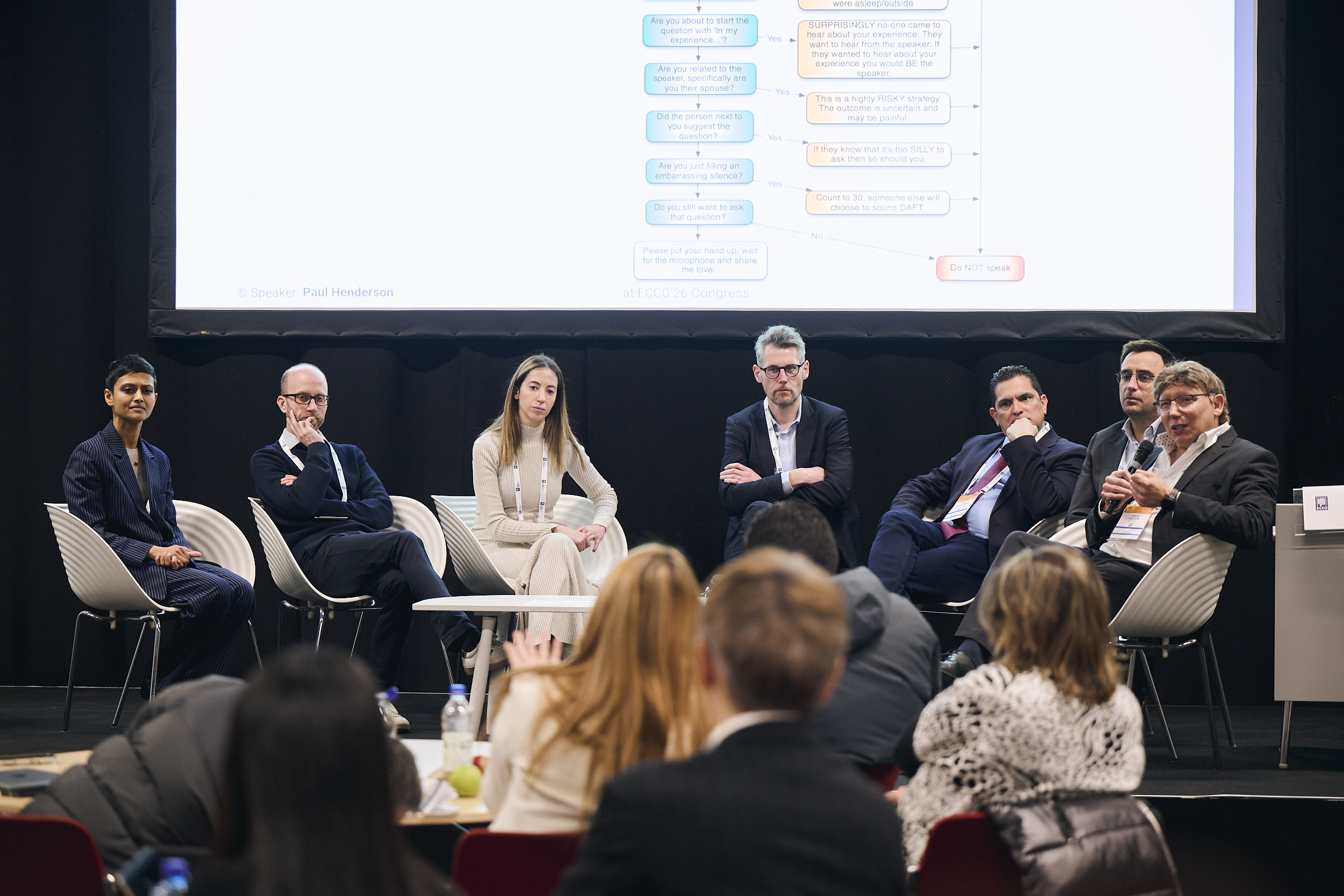
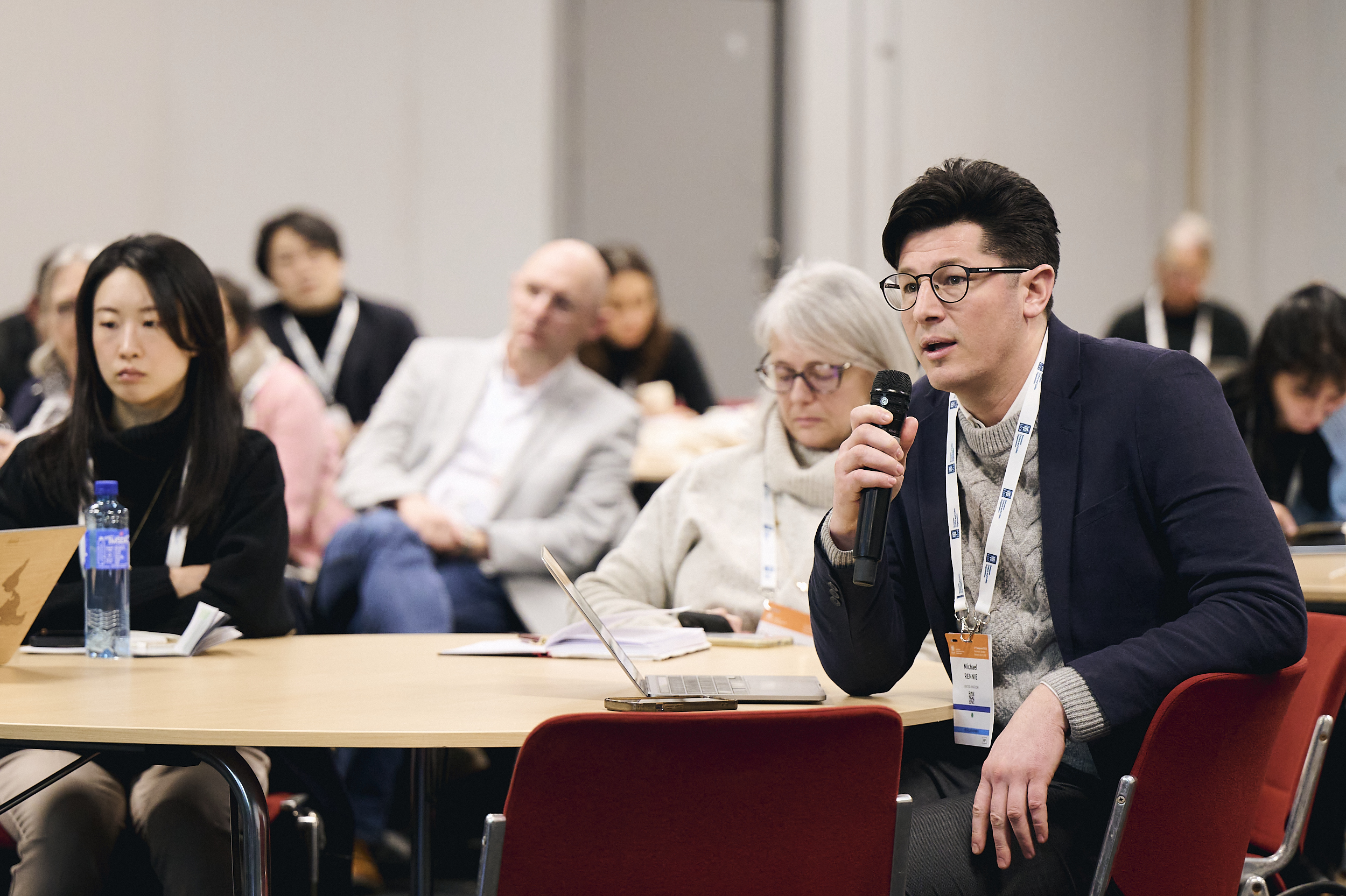
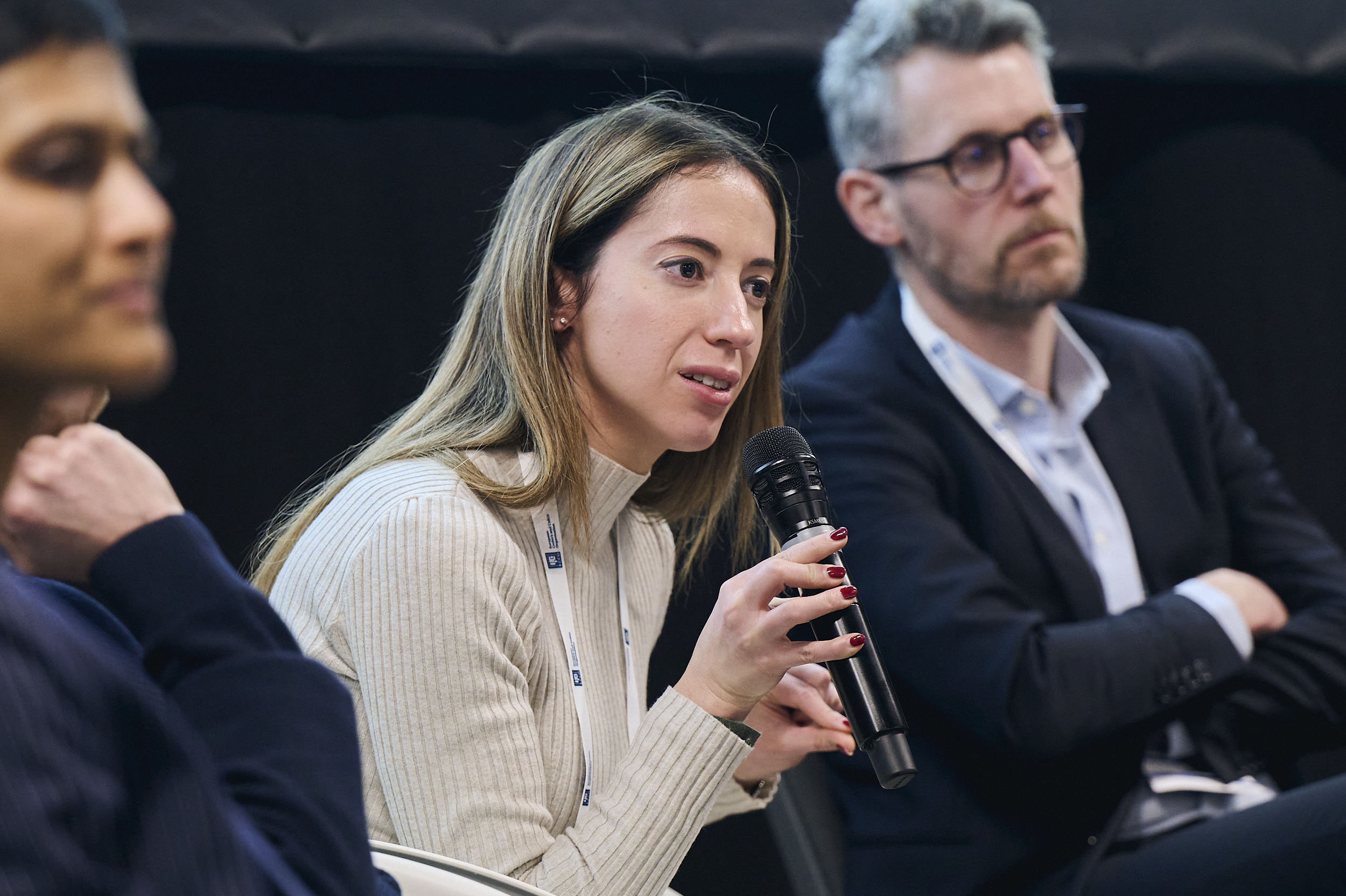
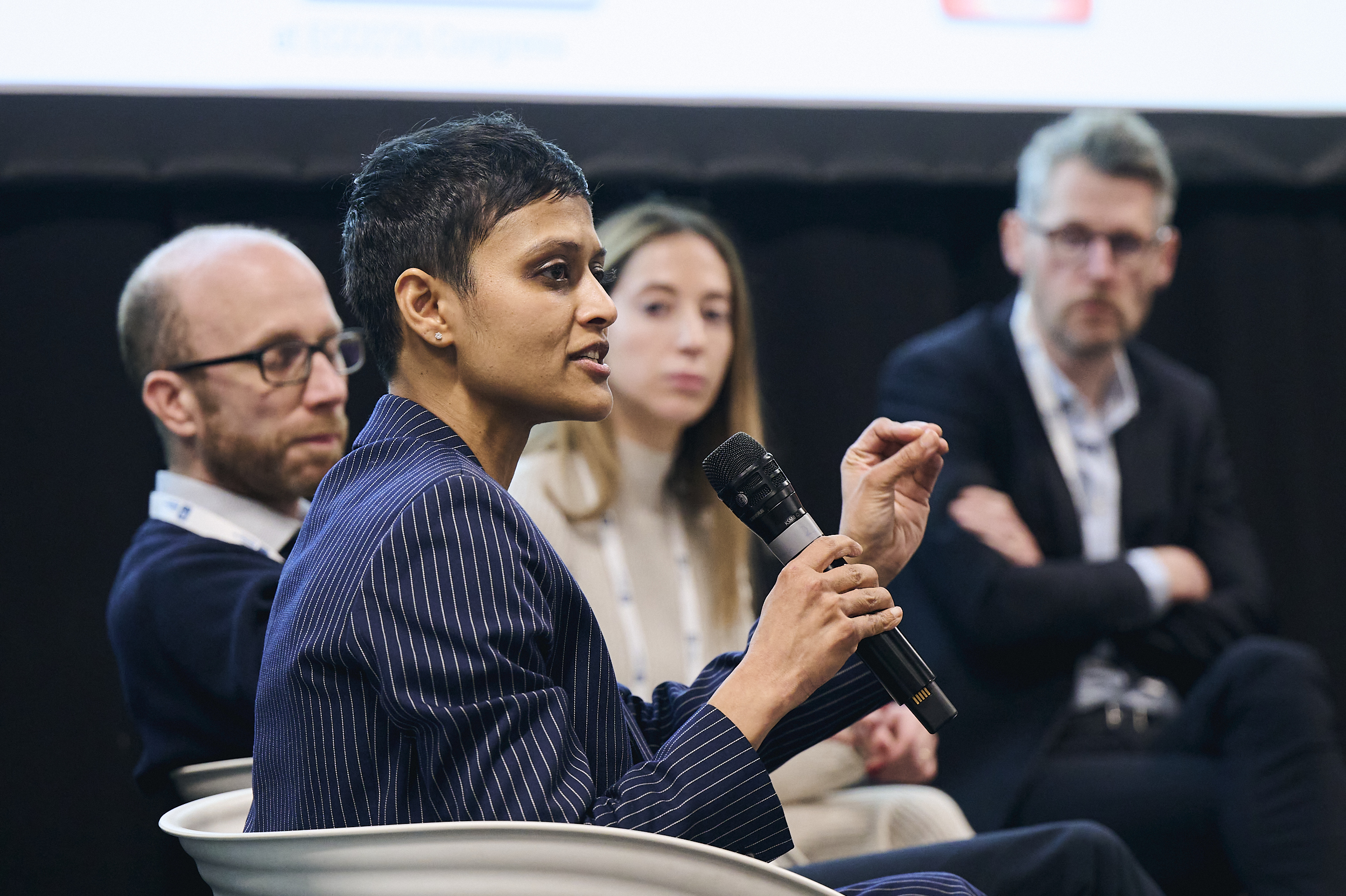
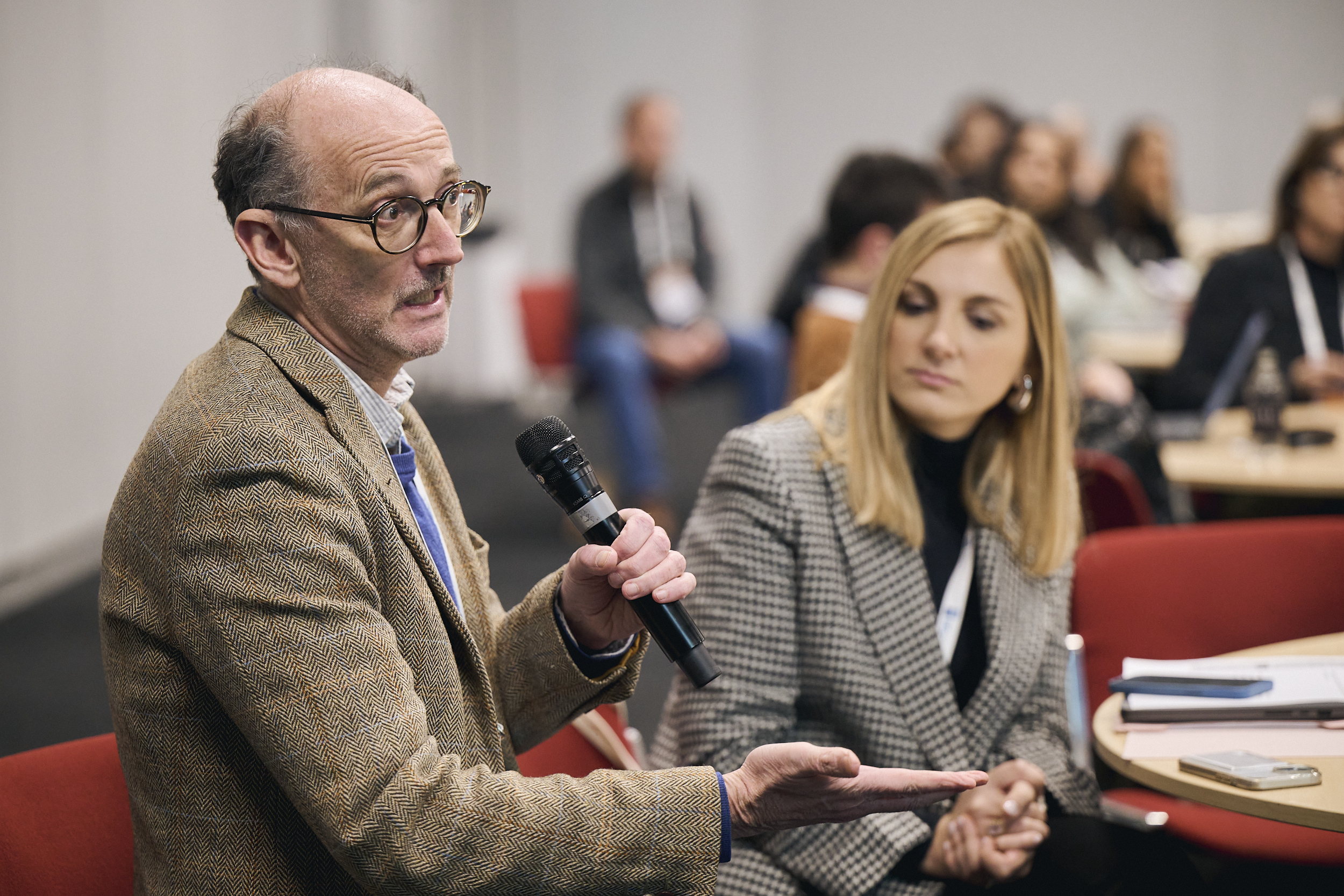
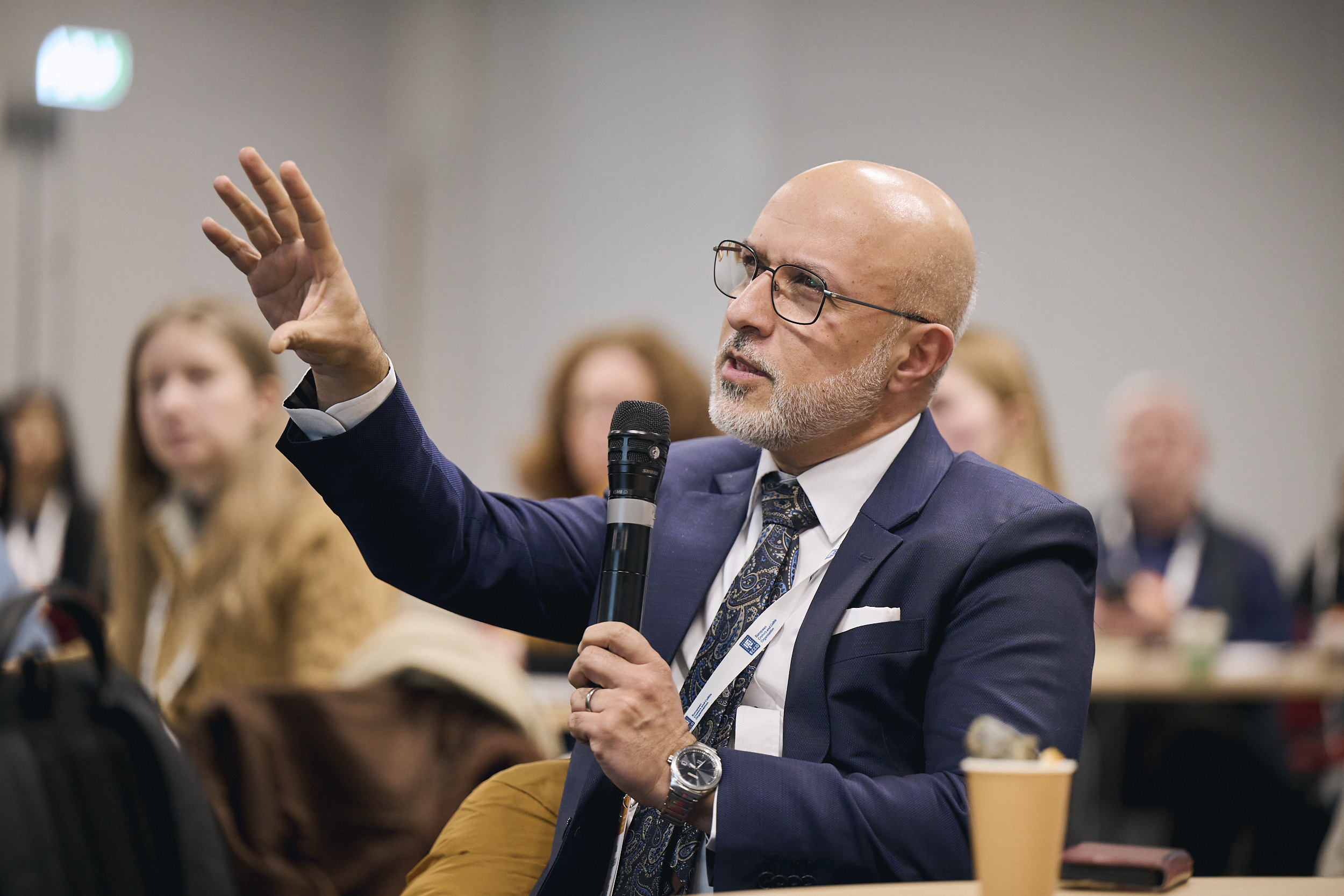
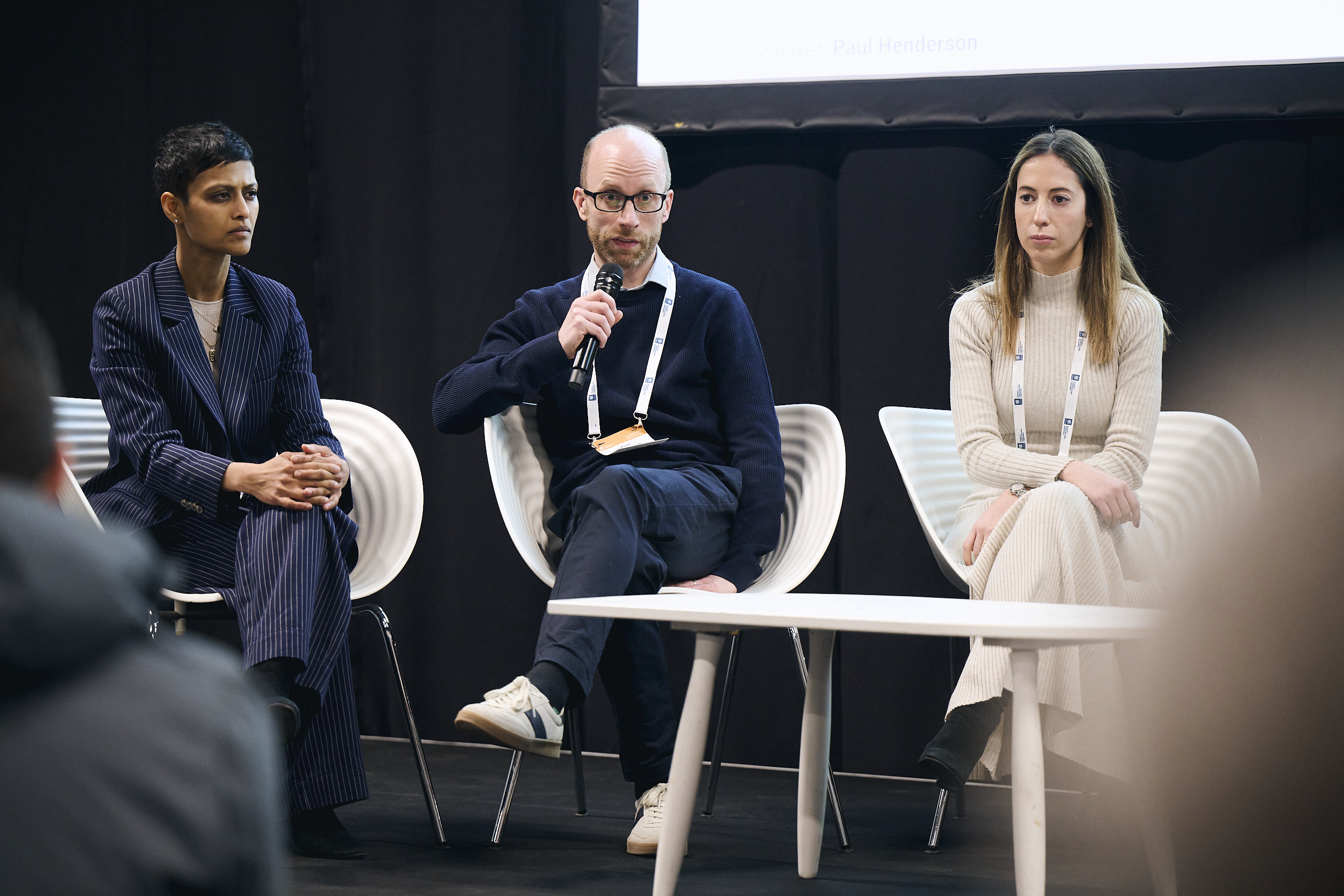
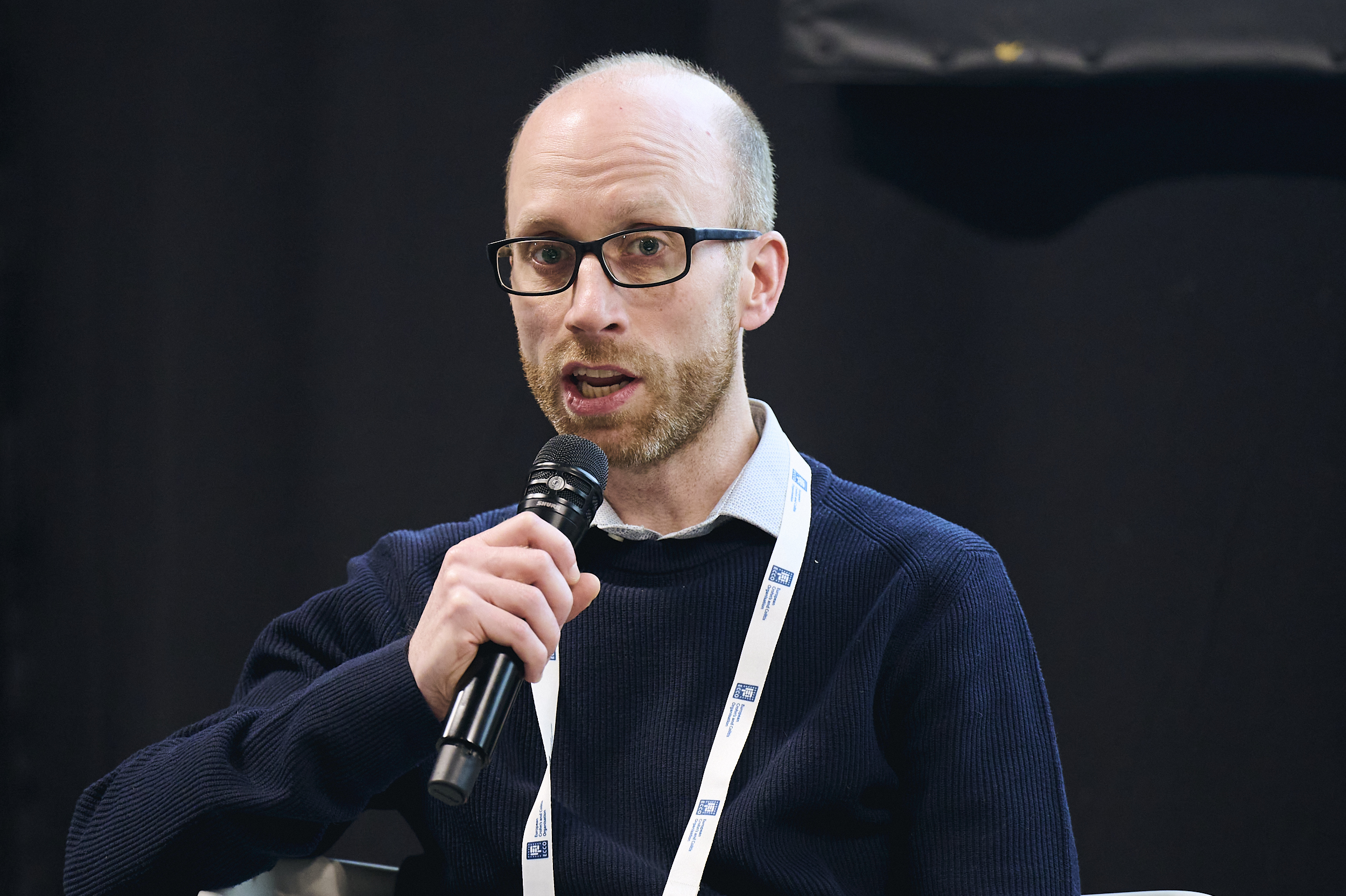
The 8th EpiCom Workshop, held during the recent ECCO Congress in Stockholm, brought together leading experts in IBD epidemiology from across the globe. The workshop addressed two of the most pressing challenges currently facing the field: the rapid global rise in IBD incidence and the persistent inequalities in access to care. Structured into two distinct sessions, each comprising a series of expert presentations and interactive discussions, the workshop offered a comprehensive and multidimensional perspective on the evolving IBD landscape.
Session 1: IBD Pandemic—How to prepare for the challenge and how to prevent before it is too late
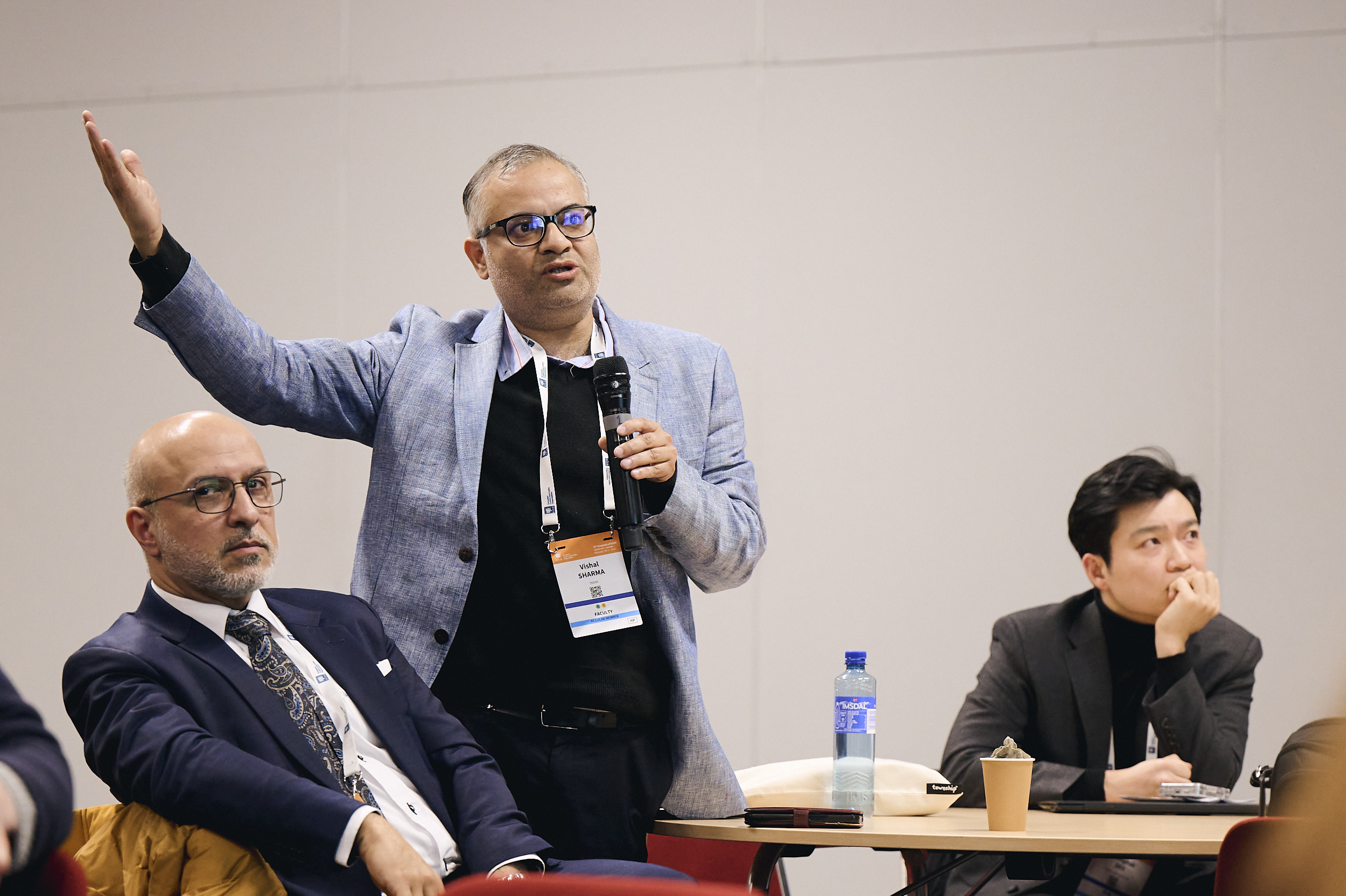
Chaired by Julien Kirchgesner (France) and Iago Rodríguez-Lago (Spain), the first session opened with a brief presentation that set the scientific and contextual framework for the subsequent discussions. The first thematic block focused on the environmental and demographic determinants driving the global expansion of IBD. Maria Manuela Estevinho (Portugal) delivered a comprehensive overview of environmental risk factors, examining the role of many of them, e.g. dietary patterns, pollution, microplastics, antibiotic exposure and urbanisation, in the increasing worldwide prevalence of IBD. This presentation was followed by Manasi Agrawal (United States), who discussed the epidemiological implications of migration. She highlighted how population movements contribute to the dynamic evolution of IBD incidence in both high- and low-prevalence regions, underscoring the complex interplay between genetic susceptibility and environmental exposure. These two talks complemented each other perfectly and sparked highly engaging discussions with the audience.
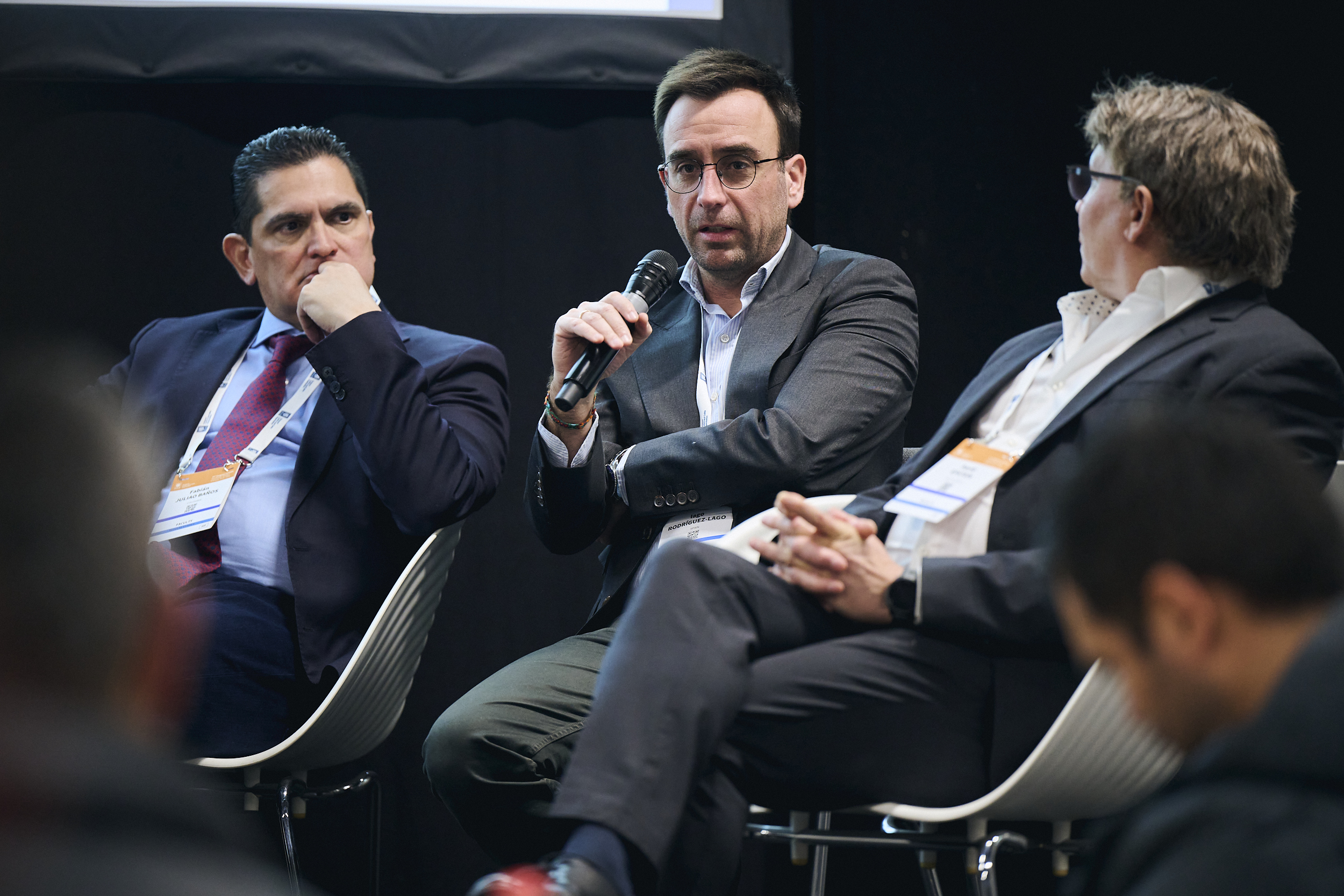
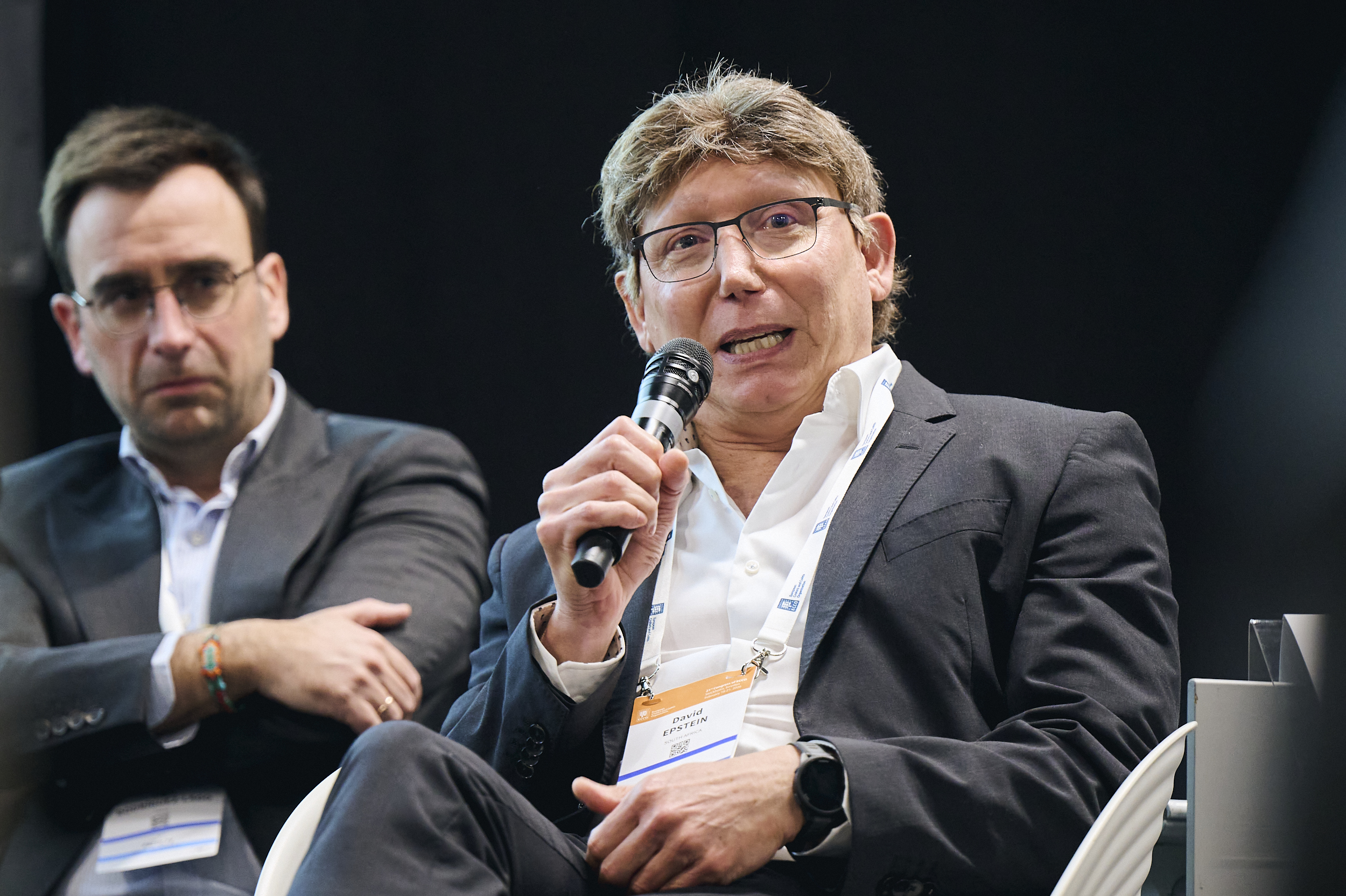
The second block of the session adopted a broader, intercontinental perspective. A Tandem Talk featuring David Epstein (South Africa) and Fabián Juliao Baños (Colombia) provided a vivid account of the realities of IBD management in resource-limited settings. They explored how healthcare systems in Africa and Latin America are adapting to an unprecedented rise in patient numbers, prompting critical reflection on the scalability of current treatment models and the urgent need for context-sensitive approaches. Paul Henderson (United Kingdom) subsequently addressed the paediatric dimension of the IBD pandemic, drawing attention to the growing burden of early-onset disease and the specific challenges associated with diagnosis, transition of care and long-term outcomes in younger populations. The session concluded with an open panel discussion, where all speakers and chairs engaged in a dynamic interaction with the audience, fostering a rich exchange of perspectives across different continents and healthcare contexts.
Session 2: Towards Equality in IBD Care
The second session, chaired by Brigida Barberio (Italy) and Richard Pollok (United Kingdom), shifted the focus towards the structural and systemic dimensions of IBD care. Emphasis was placed on equity, collaboration and shared learning across diverse healthcare environments.
The session opened with a dynamic group discussion among the participants, facilitated by EpiCom Members (Paul Henderson, Richard Pollok, Brigida Barberio, Iago Rodríguez-Lago). Participants were invited to reflect in small groups on the specific challenges and opportunities within their own healthcare settings. This interactive format encouraged open dialogue about disparities in access to dedicated clinics, advanced therapies, endoscopic techniques and multidisciplinary care in routine practice. It also generated a range of practical proposals for improving equity at both national and international levels.
Reflecting the diverse audience and global needs, leading expert Shaji Sebastian (United Kingdom) delivered a compelling keynote presentation on the evolving partnership between low- and middle-income countries and high-income countries in the context of IBD. He argued strongly for mutual learning, pointing out that resource-constrained settings often develop innovative, cost-effective approaches to patient management from which well-resourced healthcare systems can equally benefit. His presentation advocated for the establishment of sustained, reciprocal collaborations that move beyond the traditional knowledge-transfer model towards genuine co-development of evidence-based strategies.
Closing remarks
As the workshop drew to a close, the final address by Iago Rodríguez-Lago carried particular significance, as this 8th edition marked the final EpiCom Workshop in its current form. Following a strategic decision within ECCO, the Epidemiology Committee (EpiCom) and the Clinical Research Committee (ClinCom) will merge into a new unified body: the Research Committee (ResCom). This new committee will combine and build upon the expertise, scientific vision and collaborative spirit of its predecessors. On behalf of all current and former EpiCom Members, we would like to say that it has been a privilege and a genuine pleasure to contribute to the advancement of IBD epidemiology research, foster international collaboration and help shape the educational landscape of the field over the years. We look forward with great enthusiasm to the continued work that lies ahead under the ongoing initiatives of ResCom.