The ECCO Global Grants: unique opportunities and unique challenges

The introduction of a new award category, the ECCO Global Grant, at the 19th Congress of ECCO in 2024, represented an exciting step forward in addressing knowledge gaps and unmet needs relevant to low and lower-middle income countries (LMICs). The intention was to promote research partnerships between institutions in ECCO Member Countries and institutions in LMICs in order to strengthen the global network of ECCO while delivering top class international research.
Importantly, the grant is structured in such a way as to ensure equitable participation between researchers from higher-income countries and LMICs. An ECCO Member Country coordinator works in tandem with at least one Principal Investigator from an LMIC, and the removal of membership restrictions for LMIC collaborators eliminates structural barriers. Within the partnerships, the participants from LMICs have excellent opportunities to deliver strong contributions, with avoidance of top-down European oversight.
Alongside the ECCO Global Taskforce and ECCO Global Forum, the ECCO Global Grant is part of ECCO's wider international initiative to promote global knowledge exchange. ECCO aims to ensure that findings from research funded by the ECCO Global Grant receive wide exposure, for example through the annual ECCO Congress.
So far, two ECCO Global Grants have been awarded. The inaugural award (2024) went to a collaborative project between Queen Mary University of London, the Tropical Gastroenterology and Nutrition Group at the University of Zambia, and Cedars-Sinai, Los Angeles focusing on the study of genetic risk factors for IBD in its emergent phase in sub-Saharan Africa. The second ECCO Global Grant (2025) was awarded to a partnership between institutions from the United Kingdom, India, Colombia, Turkey and Egypt and aims to characterise transethnic and transcontinental similarities and differences in several aspects of perianal Crohn’s Disease.
Both projects are still ongoing, but it is already evident that they will not only generate unique and significant findings but also serve as a roadmap for similar future efforts. On the one hand, results from the projects funded by these ECCO Global Grants are expected to contribute to our understanding of the differences and similarities in IBD pathogenesis, epidemiology and/or clinical care among different regions of the world. On the other hand, they will also provide valuable knowledge on unique challenges associated with their global nature and the need for coordinated interaction between different countries, cultures and health systems.
We interviewed investigators involved in research funded by the first two ECCO Global Grants in order to gain inside knowledge on the structure of these grants and to dissect the opportunities and challenges associated with the projects and international research partnerships in general. Our principal interviewees were Phoebe Hodges from Blizard Institute, Barts and the London School of Medicine, Queen Mary University of London, London, UK (ECCO Global Grant 2024) and Αilsa Ηart from St Mark’s Hospital and Academic Institute, IBD Unit, London, United Kingdom (ECCO Global Grant 2025[RM1.1]). In addition, further investigators participating in the two studies agreed to share their experiences and to offer feedback on their expectations for and the limitations of this type of ECCO-funded, globally directed research project. Summaries of their responses to key questions are provided below.
SciCom: Which knowledge gaps and/or unmet needs relevant to institutes in LMICs has each project addressed?
ECCO Global Grant 2024
The focus on genetic risk factors for IBD in sub-Saharan Africa is considered highly significant since IBD is still in an emergent phase in this region and to date there have been no studies of genetic predisposition in sub-Saharan African populations. Previous genetic studies focused primarily on high-prevalence regions such as North America and largely European ancestry populations, with just a few addressing countries in the north and south of Africa, i.e. South Africa, Tunisia and Morocco. Moreover, these studies had yielded somewhat discrepant findings. A key unmet need addressed by this project is thus the identification of genes that are contributing to the pathogenesis of IBD in sub-Saharan African populations. By advancing our knowledge of genetics, it is hoped that research such as this will ultimately enable appropriate modifications of IBD therapy in sub-Saharan Africa. In addition, there is a need for better prediction of disease outcomes, which might be achieved through the combination of genotypic information and clinical data.
ECCO Global Grant 2025
The vital unmet need addressed by this award is the requirement for improved understanding and management of perianal disease globally, and in particular the need for better characterisation of transethnic and transcontinental similarities and differences in perianal fistulising Crohn’s Disease (PFCD) phenotype, diagnosis, trajectory, treatment approach and molecular profile. With this in mind, the project, which involves collaborations with countries in Asia, South America and Africa, has two major aims: (1) to build data collection platforms in order to explore similarities and differences in PFCD across continents, focusing on demographics, diagnosis (including issues around delayed diagnosis), treatments, outcomes and molecular architecture (using transcriptomic techniques) and (2) to enable infrastructural developments at collaborating sites that will support future IBD research and education, using PFCD as the template.
Once again, most of the current literature, treatment algorithms and clinical guidelines on PFCD derive from high-income cohorts in North America and Western Europe. There is consequently a significant knowledge gap regarding potentially significant differences in phenotypic severity, genetic backgrounds and environmental factors in LMICs. It is hoped that this project will bridge this geographic blind spot by integrating data from diverse socioeconomic settings. In addition, there are disparities in the time-to-treatment and availability of advanced biologics, small molecules and specialised sphincter-sparing surgeries between high-income countries and LMICs. The project is evaluating how delayed or restricted access impacts long-term fistula closure, recurrence rates and organ preservation.
SciCom: Which do you consider to be the most important findings of your study so far?
ECCO Global Grant 2024
This project has succeeded in identifying several potential novel risk loci for IBD, one of these being a locus in the intronic region of FBXW7. This gene encodes a substrate-specific E3 ubiquitin ligase that regulates major inflammatory and intestinal homeostasis pathways, and myeloid Fbxw7 deficiency has been shown to reduce the severity of experimental colitis. An African-specific genome-wide association on PCGEM1 that had been identified through a genome-wide association study in a U.S. Hispanic population was also replicated in the study. It is also possible that a novel locus on NOD2 has been identified (no risk loci on NOD2 were uncovered in a previous study of IBD genetic risk factors in African Americans), and if confirmed this would be of particular interest.
ECCO Global Grant 2025
The fact that the project was initiated only very recently largely precludes observations on findings. However, participants from Latin America already feel that it is delivering insights into pathophysiology and the new TOpClass ((Treatment Optimisation and Classification of perianal Crohn's Disease) system as well as identifying challenges and shortcomings in the diagnosis and treatment of PFCD, thereby promoting better management.
SciCom: How will the research outcomes advance the global landscape of IBD research—specifically by providing a more nuanced or topical understanding of IBD pathogenesis (e.g. environmental impact, genetics), epidemiology, clinical care, etc.?
ECCO Global Grant 2024
The project has produced the first data on genetic risk factors for IBD in sub-Saharan African populations, adding significantly to what is known about IBD pathogenesis in the region. It is anticipated that genetic differences detected in these populations will become increasingly important owing to their interplay with changing nutrition and demographics.
More broadly, it is vital that the field of genomics expands the diversity of research participants to avoid exacerbating existing health inequalities, and this project is contributing in addressing this issue. The findings may help to identify potential novel therapeutic targets for IBD in the future, as was the case with TNSF15 in a genome-wide association study of IBD in Japanese patients and controls.
ECCO Global Grant 2025
Although the project is still at an early stage, a systematic review highlighting important differences in perianal disease globally has already been completed. The indication is that emerging regions are seeing rapid shifts in disease incidence and phenotype, and the participants plan to build on the foundation provided by the systematic review as the project develops. The inclusion of diverse economic tiers will enable the research to capture phenotypic differences (such as aggressive disease behaviour) that may be influenced by distinct environmental triggers, microbial exposures and dietary factors that are unique to particular regions. In addition, the multicentre design, moving beyond homogeneous Western cohorts, will allow for a comparative analysis of how varied environmental backgrounds modulate the natural history and severity of the disease.
A highly important outcome of the research is that it is already encouraging gastroenterologists in LMICs to evaluate their current management of individual PFCD patients, which represents a substantial benefit in itself.[RM2.1] As the project progresses, participants will have opportunities to motivate and educate colleagues from various LMICs on the proper management of patients with PFCD.
SciCom: In what ways has the project expanded and strengthened research partnerships between centres from ECCO Country Members and the non-ECCO LMICs in the consortium?
ECCO Global Grant 2024
This project has fostered research partnerships through the process of multicentre consortium building, and the fact that the ECCO Global Grant framework stipulates that at least 50% of the total project budget must go directly to the participating LMIC institutions has helped in ensuring well-balanced partnerships with strong local contributions.[RM3.1] The consortium originally comprised seven countries from sub-Saharan Africa—Ghana, Kenya, Nigeria (four centres), Sierra Leone, South Africa, Zambia, and Zimbabwe—as well as partners from the ECCO Country Member (United Kingdom), the United States and Canada; subsequently it was expanded to include a centre in Ethiopia. Over the project lifespan, the strength of the partnership has been steadily enhanced through monthly online meetings, and the study investigators have also met twice in person: in Zambia in 2024 and South Africa in 2026.
ECCO Global Grant 2025
The consortium is building vital links between the countries and participants involved. There is a commendable problem-solving approach and the researchers are enjoying being a part of such collaborative proceedings. By integrating researchers from underrepresented regions into an international consortium, the project is fostering long-term inclusion within the broader European and global IBD research ecosystem. Collaboration with high-income ECCO-affiliated centres is helping to harmonise data collection standards, standardise definitions (such as perianal fistula healing, radiological response criteria and surgical outcomes) and elevate research methodology standards across participating non-ECCO centres. Latin American participants are currently conducting research with colleagues from other centres in Colombia and across Latin America—including Argentina, Chile and Peru—and are engaged in collaborative projects with them (LATAM-GONDOMAR). Finally, it is noteworthy that collaborations made possible through the ECCO Global Grants will help ECCO Members from developed countries to understand the difficulties in LMICs and to realise that the guidelines they develop are often not applicable elsewhere.
SciCom: Have you found the international nature of research challenging? Can you mention any specific obstacles? On the other hand, has there been anything surprising?
ECCO Global Grant 2024
The international nature of the research has at times been challenging, partly due to the need to establish adequate research infrastructure between multiple centres, for example through material and data transfer agreements. Institutional review board processes have often been lengthy and difficult to navigate. For several members of the consortium, this was their first experience of clinical research, and the learning curve has been steep. The success of this project will be attributable to the persistence and hard work of the various partners in sub-Saharan Africa in overcoming these challenges. The opportunity that this project has provided to build partnerships and friendships within the consortium greatly outweighs these challenges, and a strong platform has been built through which to deliver future studies of IBD in sub-Saharan Africa.
ECCO Global Grant 2025
Overall, the problems have been much fewer than the positive aspects, and great camaraderie has developed between participants. Nevertheless, certain obstacles need to be addressed. Differing electronic health record systems and documentation habits across centres often hinder initial data harmonisation. What is routinely digitised in a high-income ECCO Centre might require manual chart or paper-record review in a resource-limited partner site. There were some delays at the start of the project due to contracting and ethical approvals but this issue has been overcome across all sites. The translational pipeline has been the main logistical challenge as it is difficult for partner countries to transport samples outside of their countries, either to one of the participating countries [RM4.1]or to a commercial laboratory. Some investigators have found the handling of samples to be particularly challenging. Nevertheless, the participants feel that they are part of a thriving consortium and now the foundations are in place for future work and ongoing productivity. Regular meetings have proven of great value in establishing strong working relationships and brainstorming any challenges faced along the way. Moreover, individual problems are shared with other groups and this generates a shared learning process to identify workable solutions.
SciCom: How do you plan to build on the research results to benefit both ECCO Country Members and the non-ECCO LMICs in the consortium?
ECCO Global Grant 2024
Participating centres will continue to add new cases and controls to strengthen the findings of the current study and power sub-phenotype analyses. There are also plans to expand the work of the consortium to include microbiome data, and sample collection for this purpose has already started in centres in Nigeria, Ghana and Zambia. Sequencing of these samples will be done in Zambia, thereby keeping all the research activities within Africa.
ECCO Global Grant 2025
There is little doubt that the strong research group will serve as an excellent basis for ongoing collaboration and future projects. The next steps include the dissemination of results. Within the next 6 months, the outputs of the work will start to emerge, including a systematic review and a cohort study exploring the similarities and differences in PFCD phenotype and outcomes across geographical regions. In addition, a global survey will be conducted to reveal more about the lived experience of PFCD across borders. Other plans include validation of the Crohn’s Anal Fistula Quality of Life index in different languages and a publication on lessons learned and tips in establishing successful and durable partnerships across borders.
In line with the aims of the ECCO Global Grant initiative and the global mission of ECCO, the project will hopefully improve service delivery and research opportunities across ECCO Country Members and global partners[RM5.1]. This can be accomplished in various ways: First, by transitioning from retrospective data harmonisation to establishment of a permanent, prospective multi-country registry for PFCD, allowing for longitudinal tracking of treatment strategies and long-term organ preservation. Second, by leveraging the established network to create bidirectional exchange programmes, clinical observerships and joint workshops between high-income ECCO Hubs and resource-limited partner institutions to build long-term local research and clinical capacity.
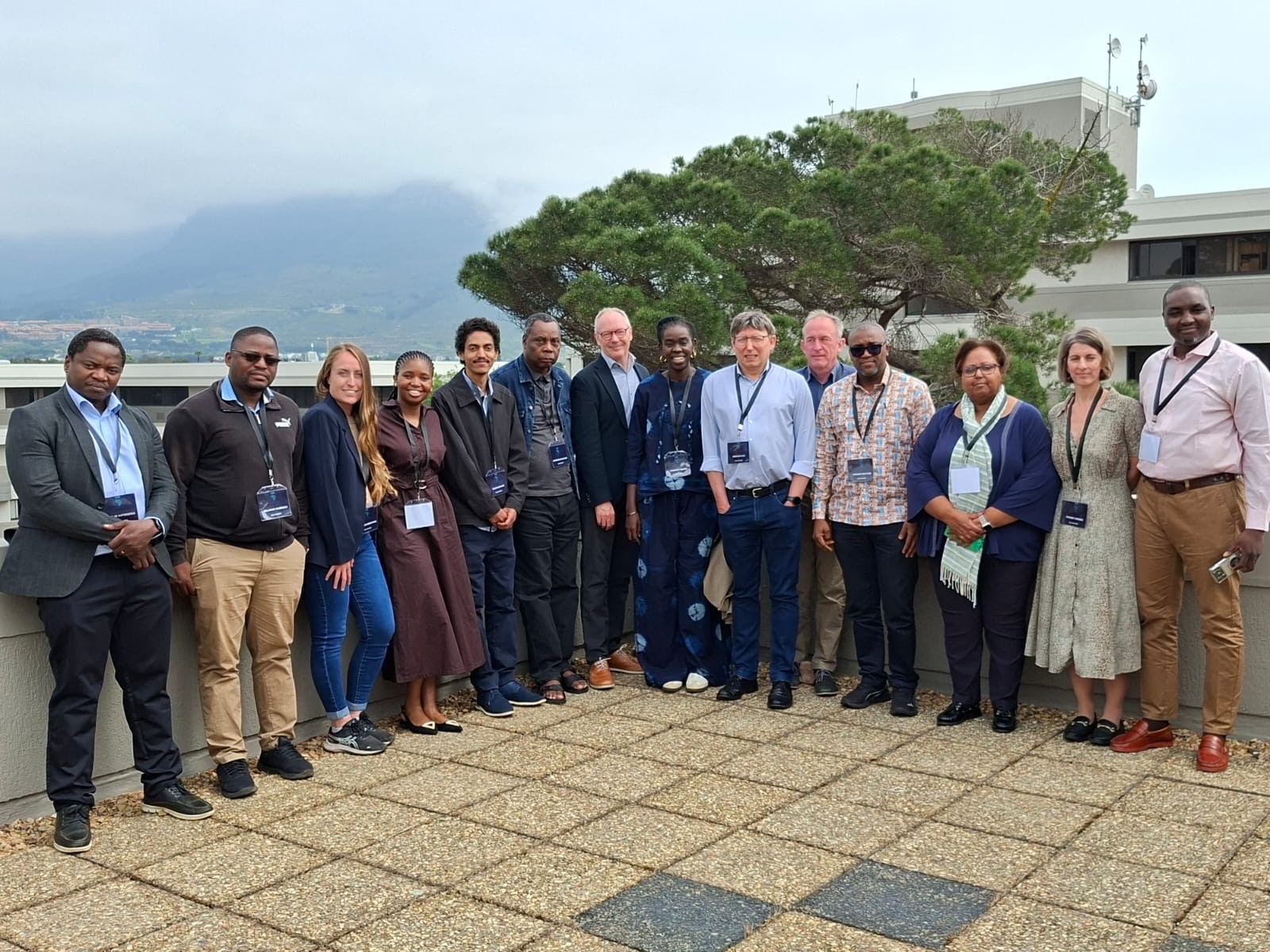
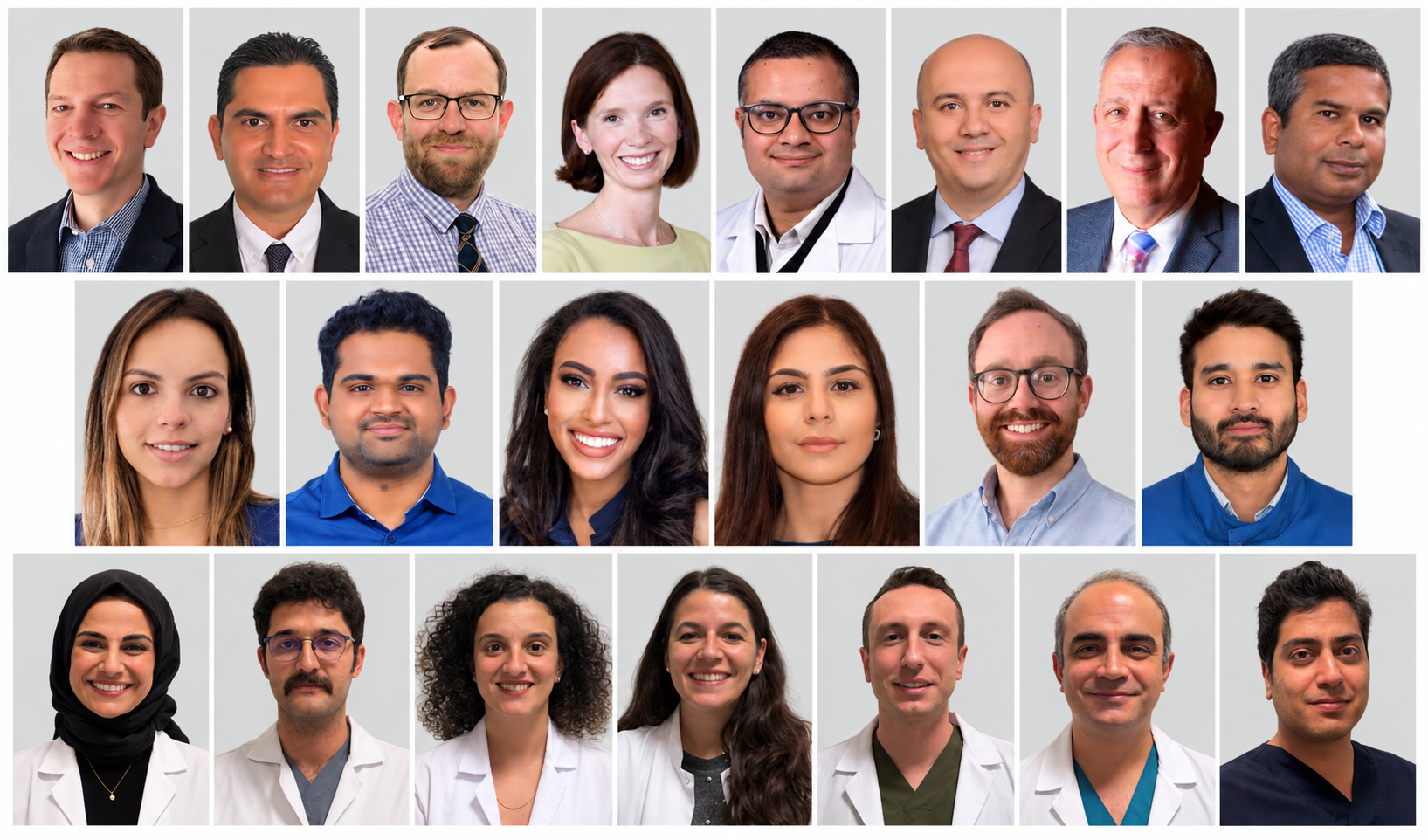
Pictures are subject to copyright © ECCO