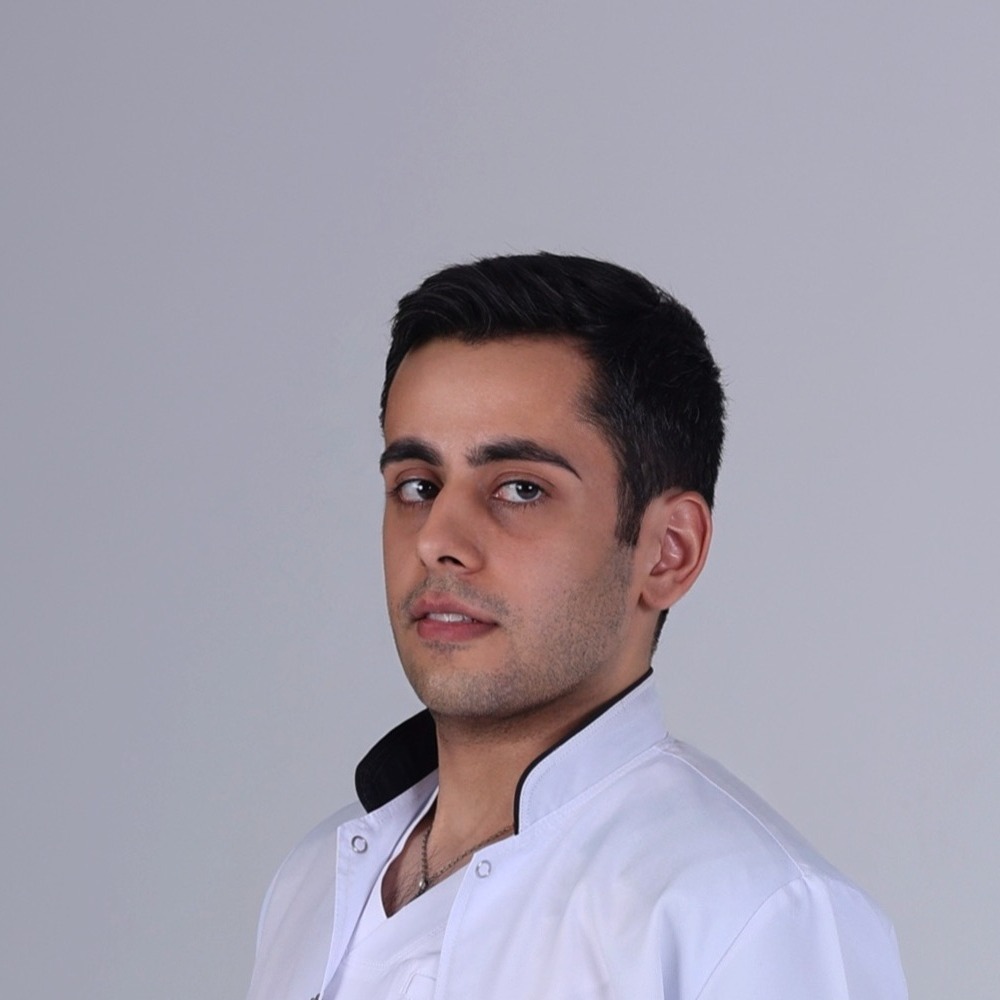
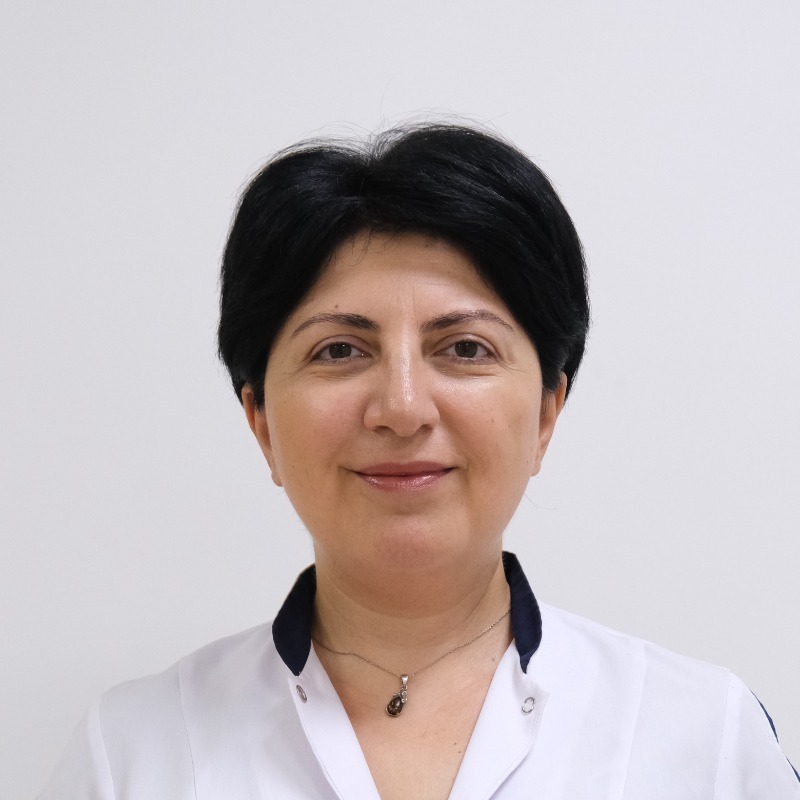
The 79th ECCO Educational Workshop in Armenia was held on May 2, 2026, in an online format via Zoom. The event brought together more than 60 participants and provided an excellent opportunity for the Armenian IBD Community to discuss some of the most challenging aspects of the diagnosis and management of Inflammatory Bowel Disease (IBD). The workshop was organised with the participation of ECCO Faculty members Manuel Barreiro-de Acosta and Glen Doherty, together with local senior experts Manik Gemilyan and Gagik Hakobyan.
The programme was divided into two main sessions dedicated to Crohn’s Disease and Ulcerative Colitis. Both sessions were built around challenging real-life clinical cases presented by Armenian gastroenterologists and covered a broad spectrum of diagnostic and therapeutic dilemmas encountered in everyday IBD practice. The discussions also demonstrated the practical application of the ECCO e-Guide in clinical decision-making.
The Crohn’s Disease session focused particularly on complex differential diagnosis and challenging disease phenotypes. Cases addressed the differentiation of Crohn’s Disease from intestinal tuberculosis in the presence of necrotising granulomas, the diagnostic assessment of fistulising Crohn’s Disease using different cross-sectional imaging modalities, and unusual small-bowel lesions. Particular attention was also given to terminal ileitis and the important question of when ileal inflammation should prompt consideration of diagnoses other than Crohn’s Disease.
The second session focused on Ulcerative Colitis and other particularly challenging situations in IBD management, including very early-onset IBD, pregnancy planning and treatment decisions in women with IBD, and the management of Ulcerative Colitis complicated by infection in a patient with decompensated cirrhosis. The programme also addressed therapeutic drug monitoring and strategies for the optimisation, escalation and de-escalation of biological therapy.
An important aspect of the discussions was how international recommendations, including those provided through the ECCO e-Guide, and modern IBD treatment strategies can be translated into everyday clinical practice, particularly in settings where access to biological therapies may be limited. The cases also highlighted the challenges of differential diagnosis, management of complex comorbidities and IBD care across different patient populations, including the particular difficulties encountered in paediatric practice.
The workshop was highly interactive, with lively discussions between ECCO Faculty, local experts, case presenters and participants. The complexity of the cases and the opportunity to discuss practical management decisions with international and local experts made the workshop a valuable educational experience and further strengthened collaboration between ECCO and the Armenian IBD Community.